SESA is still in business
SESA is saddened that Dennis Jones had to put his distribution company Dennis Jones & Associates into administration…
Archive · Research & publishing
Archive material. This page was published on sesasport.com before the current editorial desk took the domain on. We keep it online for readers and researchers; it is not the work of the present desk, and personal contact details of the original authors have been removed.
Australian and British Soccer Weekly, 20 February 2007, p. 18.
Reviewed by Alan Clark
The rejuvenation of football in Australia arose as a consequence of post-war immigration. For these new migrant communities, football was both an avenue of showing their communities’ vigour as well as providing a path into inter-community relationships in a new land and a way of connecting their lives to a new country.
Journalist Peter Desira together with Richard Curmi document one such club—one of Melbourne’s biggest—in their book Green Gully Soccer Club: 50 Years.
Green Gully was a creation of Melbourne’s Maltese community. Its first manifestation was as a junior club in 1955 when it competed under the name of Ajax – the name of a Royal Navy warship stationed in Malta during the war which also gave its name to a team formed in Malta at that time.
From those small beginnings arose a giant of a club. Green Gully now stands as one of Victorian football’s best-resourced clubs, with an enviable silverware collection, especially in recent years. But there were hard times along the way, some of them self-induced. Gully’s period in the expanded National League was short and adversely affected its return to State competition. The triumphs are celebrated, but the poor times are not glossed over in this well researched and valuable addition to any football library.
The book provides significant appeal. Not just to the football stats followers, although the work done here is scholarly and comprehensive. The views of players, coaches, and administrators who had been associated with the club abound and help bring to life the human side of the club. Steve Chetcuti’s piece, where he describes his time at the club as ‘the most volatile environment I’ve ever played in’ is shattering. When he says ‘(the) dynamics were horrible’ it’s obviously an understatement.
Renowned coach Bobby McLachlan’s reminiscences are much more positive. His response to his players who were complaining about training was to point to club volunteers toiling away to improve club facilities and ask his paid players to consider who was doing it harder. But being Bobby McLachlan and considering the times, the language he used was considerably more direct.
The book is full of these first-person roundings which highlight the solid research. These personal pieces are integral to the balance of the book. Although it is aimed at the football fan, who will clearly enjoy being brought into the living history of a major Melbourne club, it will provide much to those interested in what makes people and organisations tick.
Green Gully Soccer Club: 50 Years by Peter Desira with Richard Curmi, SESA, $45.00.
This review also appeared in the Green Gully Soccer Club, Match Program, Round 1, 4 March 2007, p. 9.
← Previous Next →
SESA is saddened that Dennis Jones had to put his distribution company Dennis Jones & Associates into administration…
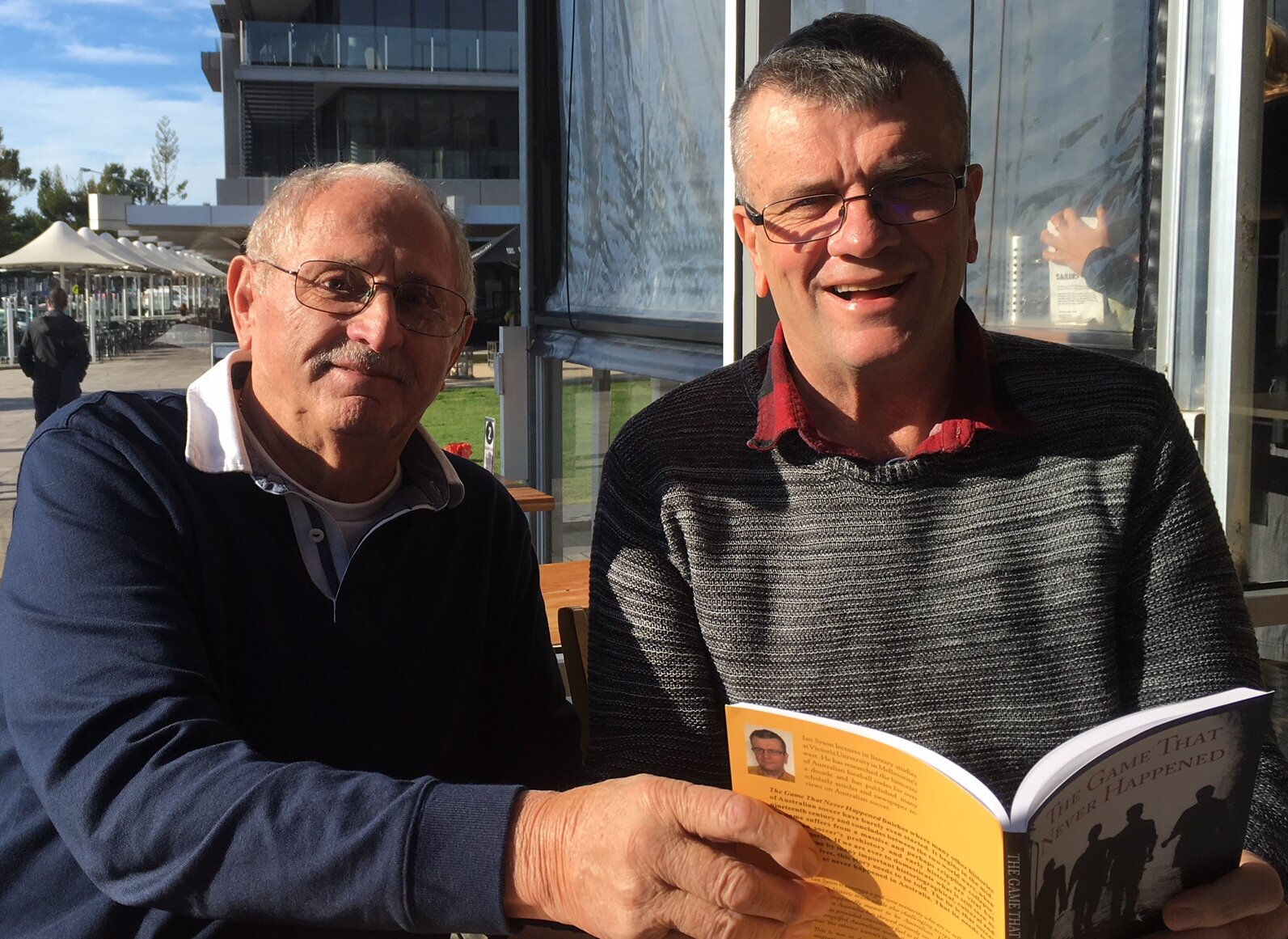
SESA is delighted to announce the publication of ’s The Game That Never Happened: The Vanishing History of Soccer in…
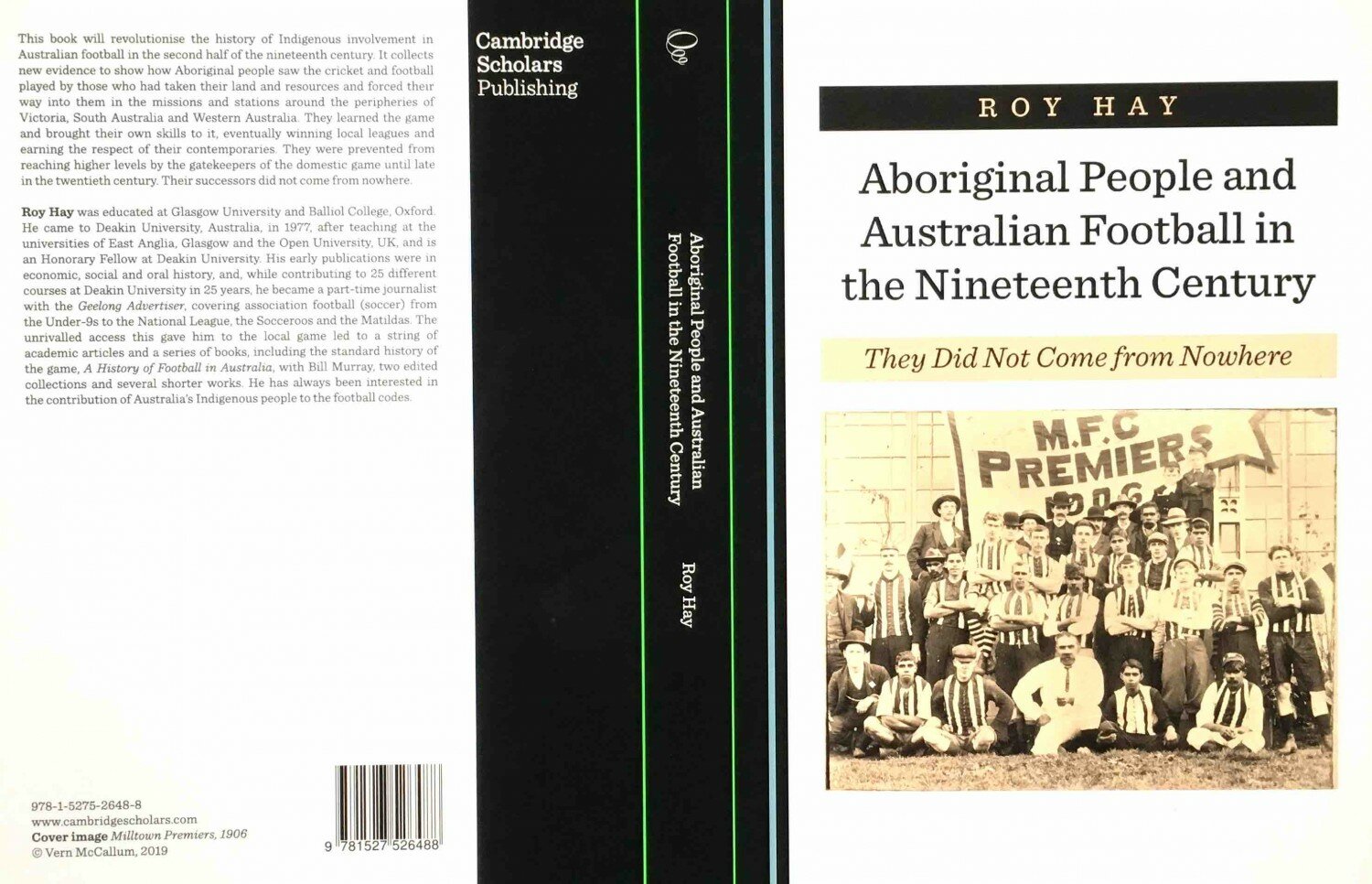
in the Nineteenth Century: They Did Not Come from Nowhere ISBN: 9781527526488 Cambridge Scholars Publishing, Newcastle…

Rangers hit Golden Plains for six in Geelong Community Cup (Click on pictures below to enlarge them) Geelong Rangers…
Sport & Society

Sport & Society