Sport & Society
What Community Sport Costs in Australia, and Who Pays For It
The true cost of a junior community sport season far exceeds the registration and equipment fees Australian families see upfront. So who bears…
National sports bodies have revised Australian sport’s concussion protocols, with players younger than 19 or competing outside top-tier leagues without full-time medical care forced to sit out for at least 21 days after a head knock. The new guidelines, released this year, are designed to reduce reinjury risk for younger players, where dedicated sideline medical support may not be available.
SESA Sport desk · 25 May 2026 · 689 words
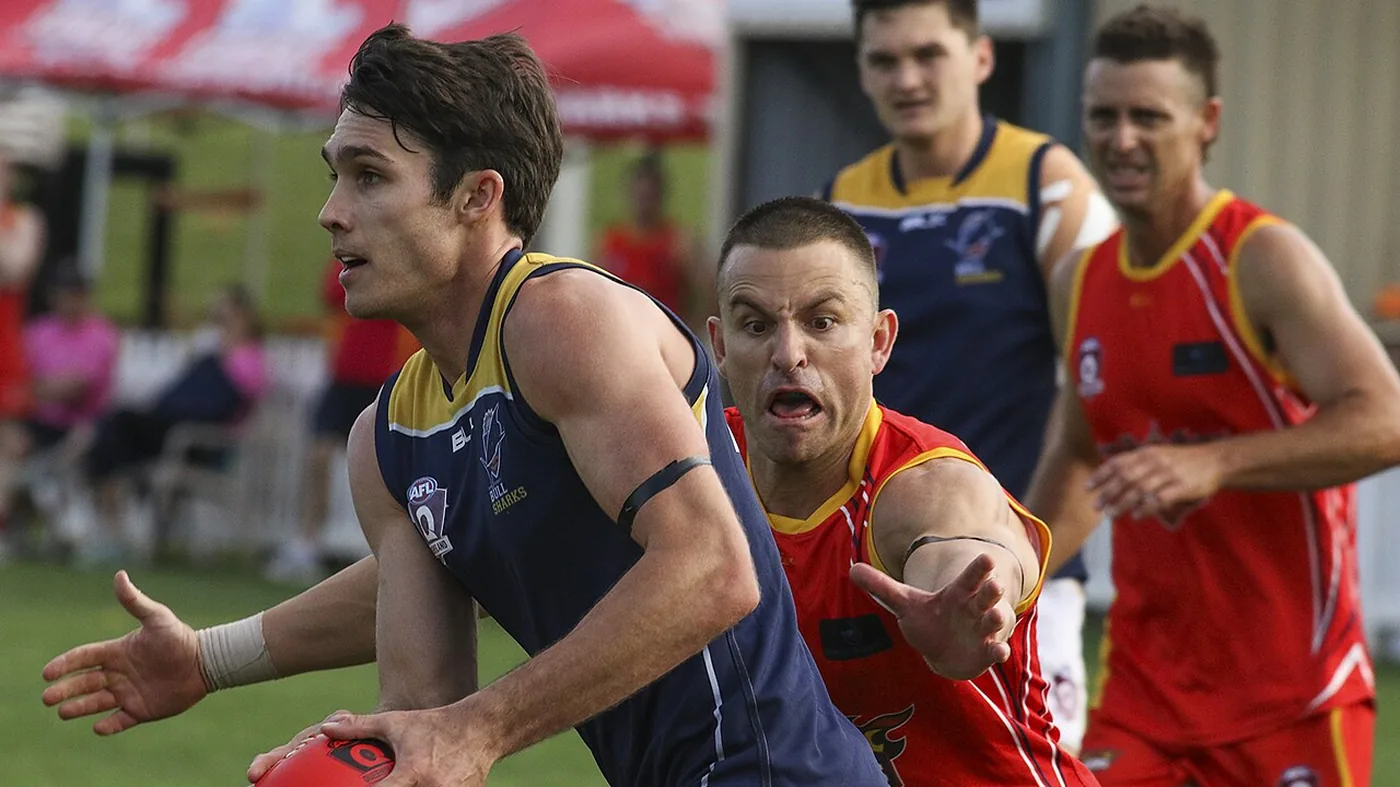
The Australian Sports Commission (ASC) and Sports Medicine Australia (SMA) have set out the minimum return-to-play guidelines for community and youth sport:
These national rules are designed for all youth under 19 and adult players without easy access to medical supervision, as concussion management falls to parents, coaches, and sideline staff. The framework was backed by the Australian Institute of Sport in its 2024 Position Statement and has been endorsed and adopted by 30 sports, including the AFL.
By the letter of the national protocols, a community player suffering a concussion on a Saturday will miss two full rounds of matches before being eligible to return for a third. After 24-48 hours of rest, they may return to light exercises if symptom-free. But to participate in full-contact training, they’ll need to remain symptom-free at rest for 14 days, with the 14-day clock starting from when symptoms resolve, not the date of the injury. Once cleared for contact training, a further full week (21 days from the injuries date) must elapse before they can return to competition. Throughout, a medical doctor must certify they are fit to resume training.
The AFL is one of several major codes to have moved to effectively reset their community protocols for players outside the elite leagues in line with the new national standards. Community players, both junior and senior, now face a mandatory 21-day minimum lay-off following concussion at any level of the game, while the existing 12-day standard remains for the AFL and AFLW players. The earliest a community player can return is therefore day 21, with the day of concussion counted as day 0. Even then, they must complete a graded loading program and gain medical clearance.
The 21-day stand-down includes the whole time from the suspected concussion event to returning to a match. If a player is concussed on a Saturday afternoon, they would miss the next two Saturdays of matches and then be eligible to return on the third weekend, dependent on medical clearance and completing the graded return program—a minimum of 21 days from the concussion.
Similar rules govern Football Australia’s community sports-related concussion guidelines, where players must observe an initial rest period, wait until symptom-free for 14 days (from point of resolution, not injury date) before returning to contact, and complete a minimum of 21 days from the concussion before playing competitive matches. Across Australia, Football Australia’s protocols are just one of many to have aligned with the broad national adoption of minimum 21-day stand-downs.
At the grassroots, clubs such as South Australia’s Reynella FC illustrate the transparent local adoption of the national protocol: its concussion policy mandates a 21-day return to play and requires medical clearance for a contact return after 14 days. Absent the availability of dedicated in-house medical care, these consistent, concrete timelines make concussion management a responsibility for volunteers, managed by set rules.
However, key questions remain for some major sports. While the new protocols have been prominently endorsed, it’s unclear whether the NRL, Rugby Australia and Basketball Australia, among others, have formally embedded the 14/21-day guidelines as non-negotiable minimum safeguards. Ambiguities also remain around potential legal status, enforcement and sanctions. With so much shifting so fast in the concussion policy landscape, it can be challenging for clubs and families to stay clear on all the specifics.
For a typical community player in Australian sport, a concussion now means sitting out for a minimum of three weeks, with an explicit priority given to return to work and school over return to sport. For parents and coaches, the new rules make clear that the most conservative minimum is now expected, even in the absence of a dedicated doctor. What’s clear is that within any code, the club, and state soccer divisions, if you suffer a concussion, you are now facing a significant lay-off period: there’s no short-cut, no rush back, and no return until the medical check-ups and hurdles are cleared.
Sport & Society
The true cost of a junior community sport season far exceeds the registration and equipment fees Australian families see upfront. So who bears…
Sport & Society
Indigenous Australians have a proud sporting history stretching back to the mid-19th century, but the growth of recognition rounds in major…
Sport & Society
Australia has passed sweeping changes to curb the reach of gambling advertising around live sport, with a ban on wagering ads during major…