
Sport & Society
What Community Sport Costs in Australia, and Who Pays For It
The true cost of a junior community sport season far exceeds the registration and equipment fees Australian families see upfront. So who bears…
Australia has passed sweeping changes to curb the reach of gambling advertising around live sport, with a ban on wagering ads during major broadcasts and a prohibition on sponsorship branding in stadiums and on team uniforms. As major sporting codes like the NRL and AFL prepare to lose lucrative gambling cash, what have the government's reforms actually done to the advertising rules around Australian sport?
SESA Sport desk · 13 May 2026 · 1147 words
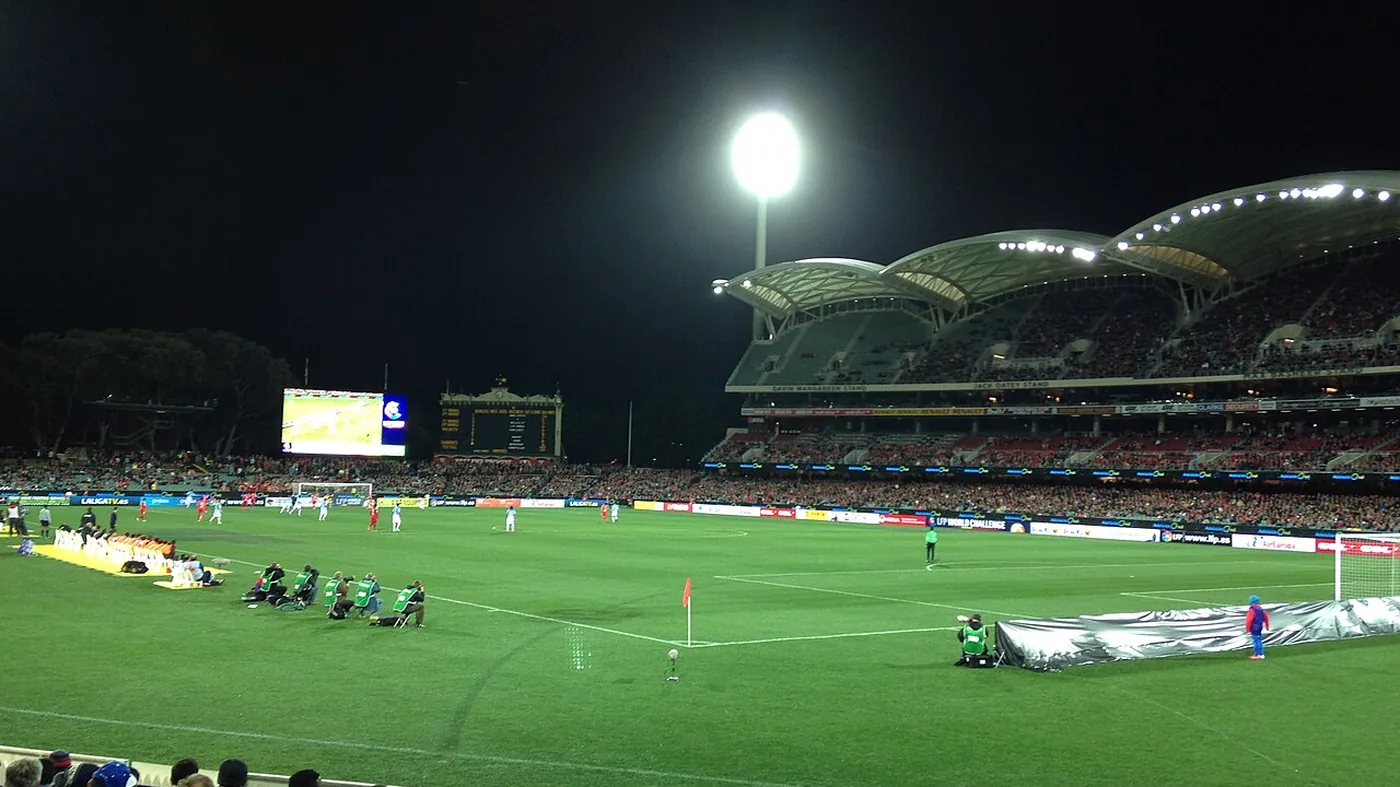
Current regulations strictly limit when and how gambling promotions can appear around live broadcasts, with special rules for the period of play itself.
The Australian Communications and Media Authority (ACMA) has set guidelines that apply separately to gambling ads around live sport.11 These rules restrict ads from five minutes before the scheduled start to five minutes after the conclusion of live coverage in specified time windows, known as the "five-minute rule".[7][8]
Generic gambling ads cannot run during a sporting event but are allowed in scheduled breaks. Commentators are also prevented from mentioning betting odds during game play within defined windows.
Existing restrictions are most stringent in the key daytime and early evening period from 5:00am to 8:30pm, with bans on live-odds promotion and generic gambling advertising during play in that slot.[9][7]15 The rules originated from a 2010 policy position that prohibited betting odds promotion and generic gambling ads during play, but allowed them in scheduled breaks.1315
ACMA has traditionally overseen these co-regulatory codes, which form the bulk of the rules directly regulating gambling ads in Australian sport.11
The regulations also crack down hard on so-called "in-play" or event-based betting.[2][7].
The Interactive Gambling Act 2001 bans in-play bets on licensed online platforms and prevents companies from offering credit to customers. ACMA explicitly links these online restrictions to concerns about the rapid style of gambling during live events.
In a separate 2024 move, the government banned licensed online betting operators from accepting credit card payments for gambling transactions. This means Australians can no longer use a credit card to place an online bet, as a harm-minimisation measure.[2]
The same 5:00am to 8:30pm window where the most stringent live-sport broadcasting rules apply also sees total silence for online gambling advertising. No online ads for wagering are permitted during this time, from five minutes before play to five minutes after, in a regime introduced in 2018.[2][1]
The current rules are not a single statutory regime but rather a combination of the Interactive Gambling Act and broadcasting and online codes, overseen by ACMA and shaped by government policy decisions.
ACMA has a central role in overseeing broadcasting codes that implement much of the "on the ground" regulation around sport and gambling ads. While this includes general rules on advertising content, certain special rules also apply specifically to gambling promotions around live sport.11
This regulatory landscape has its origins in earliest policy statements from 2010 and recommendations from parliamentary committees, alongside industry agreements.1315[3][7] ACMA then translates this into co-regulatory broadcasting codes that affect how ads are placed around live sport, to limit exposure at peak viewing times.
As the Parliament's policy library puts it, the rules are part of a co-regulatory and industry self-regulatory scheme that complements the specific gambling measures in the Interactive Gambling Act.[9]
Now, even stricter limits will come into effect after the federal government's Gambling Reforms 2026 took effect.
On 2 April 2026, the Australian government announced and a "blackout" on wagering advertisements during live sporting events between 6:00am and 8:30pm. After much public consultation, the government brought in a suite of measures in June 2026.
The package's headline reform is a ban on all wagering ads during live sports - on all platforms - between 6:00am and 8:30pm. The ad freeze starts five minutes before play begins and only lifts five minutes after play finishes, meaning even broadcast ads delayed by five minutes miss the trigger for this blanket ban. After 8:30pm, betting ads are only permitted in scheduled breaks, for an audience now predominantly adult.[5][4][6]
The reforms also take aim at wagering ads in sports venues and on team uniforms, effectively ending this lucrative sponsorship market. Gaming companies will no longer be able to photographically or pictorially depict their brand or corporate image in stadiums or on players' and officials' apparel, either inside or outside the venue.[5][6]
With the intro of the "triple-lock" for online gambling advertisement, only "logged in" users who are at the "18+ page" and who have NOT "opted out" will be shown advertisements. Furthermore, the reforms also limit the number of wagering ads on broadcast TV to 3 per hour per channel, during that 6:00am to 8:30pm period. There will be an outright ban on gambling promotions during school drop-off (8:00am-9:00am) and pick-up (3:00pm-4:00pm) on radio, for fear of exposing children to images of gambling.[5]
Prominent people like celebrities and sports stars will no longer be able to be used in wagering advertisements, nor will figures with large followings like social media influencers. Sports commentary will be stripped of odds promotion, too.[6]
The 2026 reforms cap the latest round in nearly a decade of tightening gambling advertising rules, especially concerning sport.
In 2024, a previous Labor Party proposal considered a more gradual phase-out of online gambling promotions, with with different start dates for online and broadcast restrictions. This included a prohibition on advertising during (and an hour before and after) live sporting events, an extension of current restrictions. Social media and internet bans were also considered, with different start dates for online and broadcast restrictions.12
Legal commentary in late 2025 referenced forthcoming federal legislation that would lead, in phases, to comprehensive prohibitions on the advertising of online gambling via all media channels, public places, sport and event promotions, and social media platforms within about three years. Sports betting was included in that sweep, as were the branding of sporting teams - but while these broad new powers were expected, with no specific start date, there were no formal plans to implement a total national advertising ban at that point.14
The 2026 changes will reshape the revenue flows and branding opportunities of the staged world as gambling sponsors lose their biggest visibility gains.
Outlawing wagering advertising in stadiums and on uniforms will eliminate a major source of sponsorship cash for codes like NRL and AFL, along with individual sports teams and athletes. Sports governing bodies are already preparing for the fallout that could come as this major source of gambling income for sports and athletes in Australia dries up, according to media coverage.10[5][4][6]
As gambling companies look for alternative ways to promote their brands, the broadcasting restrictions are likely to see a push to reposition at later times, in programs and platforms not targeting children. However, lower audiences may lessen the premium value of advertising at those times, potentially also shrinking the remaining opportunities for the sports' governing bodies.
Whether other betting ad bans, including on social media, are a next wave remains to be seen. But as the "triple-lock" online, stage bans, and sponsorship prohibitions land, it's clear that the visibility of gambling money in Australian sport will be greatly reduced.
Sport & Society
The true cost of a junior community sport season far exceeds the registration and equipment fees Australian families see upfront. So who bears…
Sport & Society
National sports bodies have revised Australian sport’s concussion protocols, with players younger than 19 or competing outside top-tier leagues…
Sport & Society
Indigenous Australians have a proud sporting history stretching back to the mid-19th century, but the growth of recognition rounds in major…