Sport & Society
What Community Sport Costs in Australia, and Who Pays For It
The true cost of a junior community sport season far exceeds the registration and equipment fees Australian families see upfront. So who bears…
Indigenous Australians have a proud sporting history stretching back to the mid-19th century, but the growth of recognition rounds in major codes has continued over the decades, drawing mixed reactions - admiration for the gesture and questioning of its depth of reform.
SESA Sport desk · 21 May 2026 · 512 words
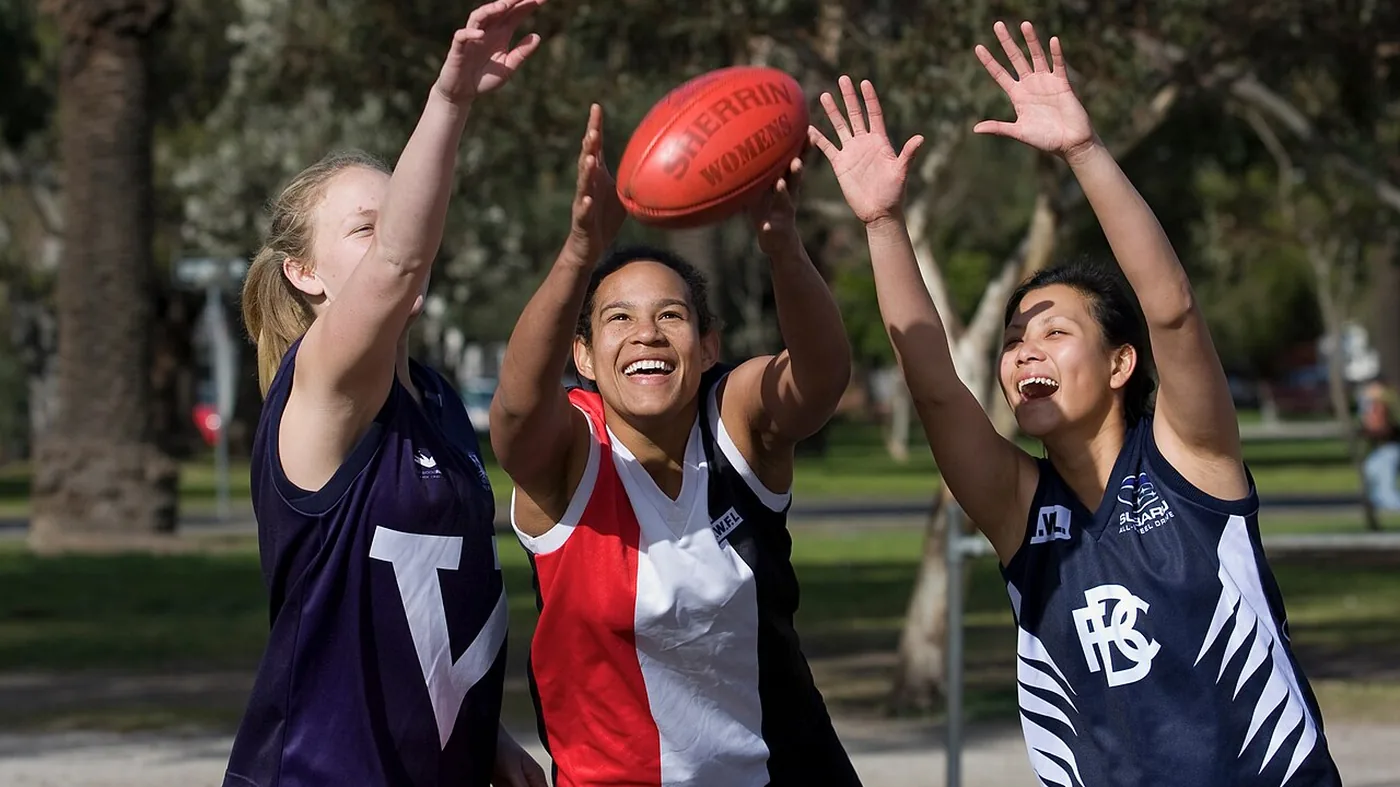
Far from a recent add-on, Indigenous sporting participation in Australia is well-documented over more than 150 years.
The first recorded Indigenous athlete was Manila, a Victorian runner who beat Tom McLeod in a 100-yard sprint in 1851, according to Athletics Australia. By the 1962 British Empire and Commonwealth Games on home soil in Perth, four Aboriginal and Torres Strait Islander athletes were named to the Australian team: boxers Eddie Barney, Adrian Blair and Jeff Dynevor, and high jumper Percy Hobson.
In rugby league, official figures show a 2016 showing of 12% player representation and 4% Indigenous staff representation as evidence of growing opportunity.
says Indigenous athletes have been over-represented at the elite level but still face barriers to off-field roles and pathways in most codes.
“There’s a misunderstanding of the tokenism critique, which is not saying recognition rounds are not important but that the structural gaps happen away from the spotlight,” Ugle says.
“I’ve seen arguments against tokenism that misrepresent statistics about Aboriginal participants at all levels, suggesting that Indigenous over-representation in the playing lists means representation is not an issue. Sports in Australia are powerful in the community, and their leadership needs to be Indigenous as well, not just their supporters.”
In the AFL, Aboriginal and Torres Strait Islander representation has been over the 10% population average in recent years - 11% and 5% of the player lists in the men’s and women’s games in 2020 - the Australian Sports Commission reported.
Naming an AFL round after Sir Doug Nicholls, is one way recognition can be shown to sporting greats, the NLA says.
But critics say formal recognition is ephemeral if not combined with access for Indigenous athletes at all levels and in all roles.
“Does an Indigenous round reward, or provide opportunities for, Indigenous women and girls in sport? If it's a reward, we're perpetuating an issue. If it's there to provide opportunities, it's speaking to a deeper issue.”
says Indigenous rounds are valued but need to be connected to holistic Indigenous sport policy.
“An Indigenous round can be a troublesome thing, because you're required to engage with sport - there's all this excitement and pressure, then it becomes associated with this two-, three-, four-week period. How are we going to make sure that engagement is ongoing?”
emphasises that in an Indigenous round, non-Indigenous fans must hold codes to account on Indigenous inclusion in a way that partners rather than patronises.
“It shouldn't be an Indigenous round. It should be a round that is Indigenous-influenced. There's a subtle difference, but it's a massive difference in creating supporters who are looking at the deep issue of Indigenous disadvantage, Aboriginal exclusion, and the need to do what is right. We can't do this as a tokenistic act. Indigenous round is enough to expose the gap, but it's our job to go further,” Fanning says.
Critics say Indigenous sporting rounds must point to access for all Indigenous people in all roles if they are to deepen commitment beyond a fortnight.
Sport & Society
The true cost of a junior community sport season far exceeds the registration and equipment fees Australian families see upfront. So who bears…
Sport & Society
National sports bodies have revised Australian sport’s concussion protocols, with players younger than 19 or competing outside top-tier leagues…
Sport & Society
Australia has passed sweeping changes to curb the reach of gambling advertising around live sport, with a ban on wagering ads during major…