Cricket
The Sheffield Shield: How Australia's First-Class Season Makes Test Players
The Sheffield Shield stands as Australia’s premier first-class cricket competition, serving as the nation’s primary pathway into the Australian…
The Big Bash League (BBL) fundamentally transformed its rules in November 2020, introducing three bold innovations – Power Surge, Bash Boost, and the X‑Factor substitute – to boost excitement and maintain interest, but not all of these changes endured beyond 2022–23.[8]12[4][6][5]
SESA Sport desk · 16 July 2026 · 1009 words
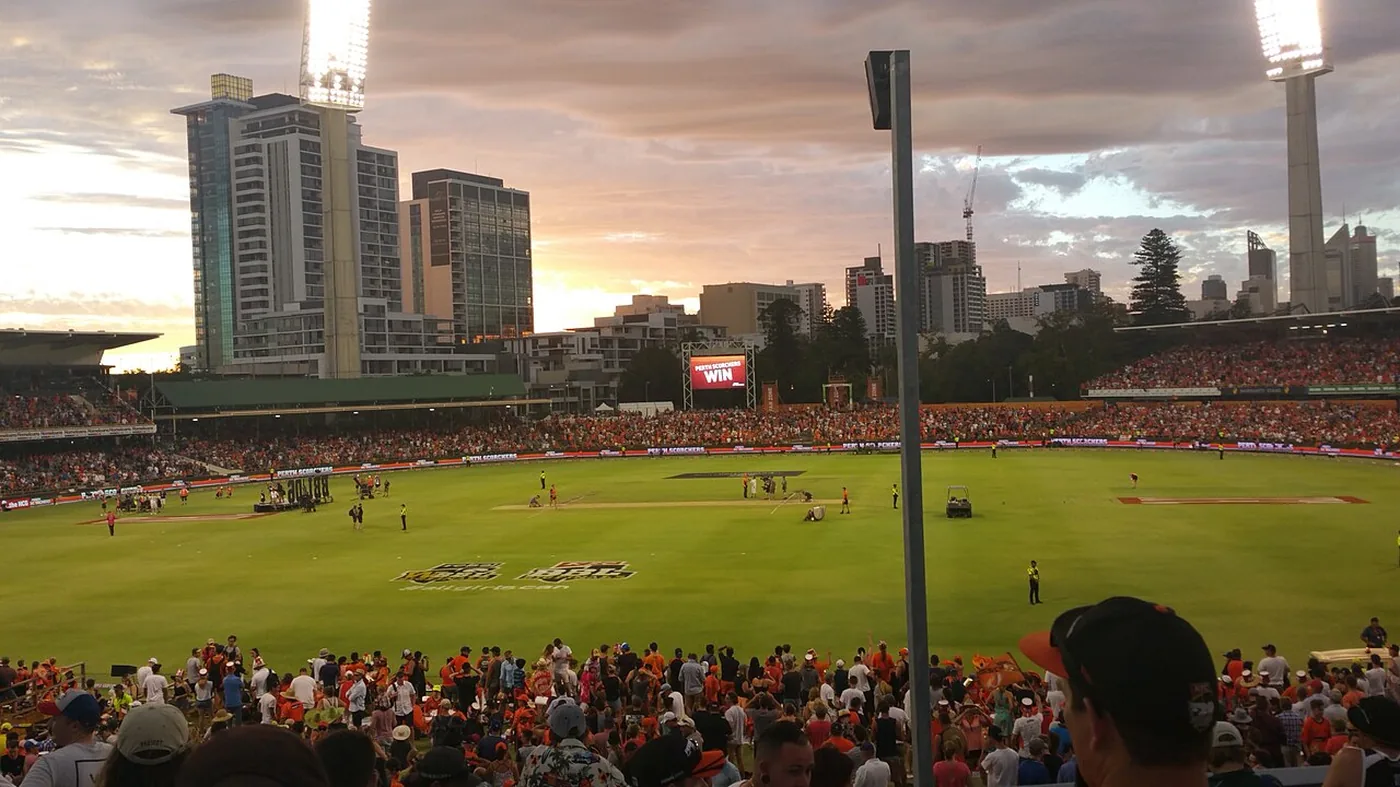
In a radical move, Cricket Australia overhauled the BBL format for the 2020–21 season, introducing Power Surge, Bash Boost, and X‑Factor player rules in an attempt to keep fans engaged. The Power Surge rule reduced the traditional six‑over, fielding-restricted powerplay at the start of an innings to just four overs. The batting side gained an additional two‑over period with similar restrictions, which they could call at any time from the 11th over onwards.[8]12[4]
The X‑Factor rule allowed teams to substitute in a 12th or 13th man after the 10th over of the first innings, replacing a batter who had yet to face or a bowler who had delivered no more than one over. Meanwhile, Bash Boost awarded a bonus point to the team with the higher score after 10 overs of their chase, creating a second result within each match.[4][8]12[5][6]
Cricket Australia made these changes to boost scoring, maintain interest throughout both innings, and add tactical complexity, keeping fans engaged. However, only the Power Surge proved durable as a rulebook change.[6][5]
The enduring innovation from the 2020 BBL overhaul is the Power Surge rule, which now defines cricket matches in the league. It divides the traditional powerplay into an initial four over period and a later two over period, which the batting side can trigger from the 11th over on. During the Surge, the fielding team may only have two fielders outside the inner circle, giving batsmen more scoring opportunities.[8]12[4][5][6]15
This rule modifies the innings structure, with powerplay restrictions no longer limited to the opening overs. It also influences batting tactics, as teams must decide when to take the Surge and how to play to its fielding limits. significantly, Cricket Australia's stated intention in introducing Power Surge was to increase scoring and keep fans engaged with closer, more dramatic matches.[6][5]
The Power Surge has proven successful enough that Cricket Australia retained it after the abolition of the Bash Boost and X‑Factor rules in 2022–23 and even extended it to the Women's Big Bash League from 2022–23 onwards. This suggests that the Surge works towards CA's stated aims of keeping BBL matches exciting for TV viewers and crowdgoers.[9][7]
The Bash Boost rule, introduced in 2020, awarded a bonus point to the team with a higher score at the halfway point of the match, creating an extra incentive for early boundaries and a second result within the game. This rule was removed from 2022–23 onwards, suggesting it failed to have the desired impact on match quality or fan engagement.[5][6][9]
Similarly, the X‑Factor allowed teams to substitute in a 12th or 13th man after the 10th over, in a condensed version of the traditional 11th-man rule. Once in the match, the X‑Factor replacement could bat anywhere in the order or bowl no more than one over. However, like Bash Boost, the X‑Factor was discarded as a rule after a few seasons, having apparently failed to deliver the anticipated tactical intrigue or excitement.[4][8]12[9]
The short lifespan of Bash Boost and X‑Factor, compared to the enduring presence of Power Surge, underscores the BBL's willingness to try new ideas but also its commitment to keeping only those that function effectively in practice. These innovations show the BBL is open to novel ideas to keep its product fresh and appealing to fans through constant tinkering.
In addition to the on-field rule changes, the BBL has repeatedly altered its overseas player quotas in recent years. From the 2020–21 season, the maximum number of overseas players in a playing XI was increased from two to three, in line with the new emphasis on big names and exciting T20 talent from overseas.14[2]
To manage the availability of those overseas players, the BBL introduced a draft for the 2022 season, under which each team must select at least two international players, but can have up to four with salary‑cap permitting, including an overseas replacement. Those overseas players must be available for the entire season, including finals, and are restricted to 18 spots on the primary squad, with an additional two on the overseas replacement list and two marquee supplementary players not part of the 18‑player squad.11[1]10
This overseas player management system operates on a tiered basis, with the draft featuring platinum, gold, silver and bronze categories that restrict the round in which each player is available. Teams can also sign additional replacement players for part‑season stints if their draft selections are unavailable for all or most of the tournament.1110
Across all of its recent rule changes, from the 2020–21 package of Power Surge, Bash Boost and X‑Factor, to the cyclic change to overseas player limits, to the creation of an entirely new draft structure, the BBL shows itself willing to alter the format of the competition itself. While the stated aim is to keep fans engaged and create the “most exciting” T20 league, with the most novel playing conditions and the most carefully managed international talent, Cricket Australia is happy to cycle through formats to improve the product it offers audiences.[8]12[4][5][6]1110
As of the 2026–27 season, the BBL operates under the Power Surge rule, which splits the innings into an initial four‑over powerplay and a later two‑over Surge period that the batters can trigger from the 11th over, with fielding restrictions only allowing two players outside the 30-yard circle. The Bash Boost and X‑Factor rules have been removed.
Under the BBL's overseas player management system, each team must select a minimum of two international players in the annual draft, can choose up to four overseas players with salary‑cap permitting, and is restricted to three overseas players in the playing 11. Overseas players must be available for the whole season and are distributed between primary and overseas replacement lists, with an additional two "marquee" players not part of the 18‑player main squad.
Cricket
The Sheffield Shield stands as Australia’s premier first-class cricket competition, serving as the nation’s primary pathway into the Australian…
Cricket
Rain does not just shorten a cricket match: it reshapes the contest. When wet weather interrupts an innings, the Duckworth-Lewis-Stern (DLS)…
Cricket
Australia's modern cricket pathway is a structured, multi-stage system. It moves players from junior club and state programs, through underage…