
Cricket
Big Bash League Rules Explained: From Draft to Power Surge and Overseas Player Limits
The Big Bash League (BBL) fundamentally transformed its rules in November 2020, introducing three bold innovations – Power Surge, Bash Boost…
The Sheffield Shield stands as Australia’s premier first-class cricket competition, serving as the nation’s primary pathway into the Australian Test team. Yet, this high-stakes tournament often flies under the radar for casual fans, overshadowed by the spectacle of international cricket and the spectacle of Twenty20. Scheduled to run from October 2024 to April 2025, the 2024–25 Shield consists of 31 matches, with the season ending in a championship-winning final in the Australian autumn.
SESA Sport desk · 25 August 2026 · 602 words
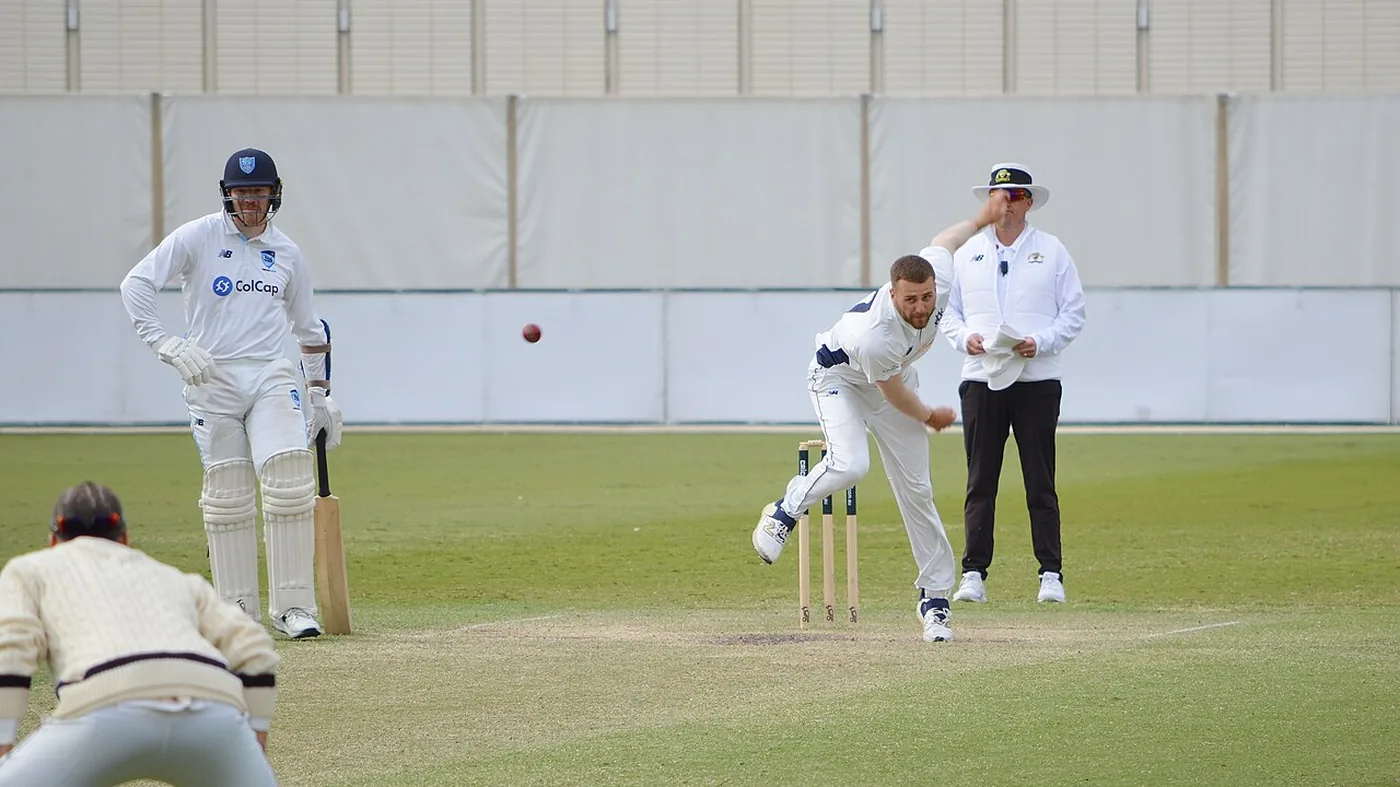
Managed by Cricket Australia, the Shield is a double round-robin plus final affair, comprising six state teams: New South Wales, Victoria, Queensland, South Australia, Western Australia, and Tasmania. Its tightly-defined points system awards six points for a win, three for a tie, one for an abandoned match or draw, plus batting and bowling bonus points during the opening 100 overs of each side’s first innings. Matches are played over four days, providing a format that mimics the rigorous demands of Test cricket.
Additionally, their event timing is carefully coordinated with the domestic one-day competition (the Marsh Cup) and the high-octane Big Bash League. Cricket Australia schedules six Shield rounds in the first half of a season, before a mid-season break for the BBL, followed by a further four rounds in February and March. The Shield’s timing allows selectors to get a close look at players' Test quality, with their performance in four-day atmospheres considered crucial to moving up in the national Test pecking order.
The final is hosted by the top-ranked team after the home-and–away rounds. If the final is drawn, the title is awarded based on bonus points, ensuring that excellence is not only defined by outright wins but also by sustained, impressive performances throughout the season. Western Australia emerged as the champions in the 2023–24 season, thrashing Tasmania by 377 runs in a dominant display in the final.
Indeed, the scheduling, ball choices, and pitch preparation in Shield matches have been explicitly framed by cricket administration and media as tools to prepare players for specific Test challenges. From 2016 to 2020, Cricket Australia employed the British-made Dukes ball in the second half of Shield seasons, aiming to accustom players to the conditions they would face in England during the Ashes series. However, this experiment was halted in 2021, with a return to the Kookaburra ball, a choice that favours spin bowling on Australian pitches.
To adapt to the evolving landscape of day-night Tests, Cricket Australia has begun trialling pink balls in Shield matches. A key example is the 2015 Shield fixture between South Australia and New South Wales at Adelaide Oval, which, while successful, highlighted the hurdles such balls posed in terms of visibility and tracking technology.
Understanding these structural elements allows a viewer to better grasp the nuances of a Shield scorecard or season table. In a four-day match, bonus points are awarded for batting and bowling performance in the first 100 overs of the first innings, incentivising high scoring and effective wicket-taking in this crucial phase. A run-rich century or a flurry of early wickets can significantly impact a team’s standing.
For instance, in the 2023–24 Shield season, teams were ranked not just based on their wins but on their consistency in battling challenges, grabbing runs, and by the tightness of the bowling. The top-ranked teams qualified for the final on the strength of wins, draws and bonus points.
With each round, selectors get a chance to assess players and judge where their Test resources are best placed.
In summary, the Sheffield Shield is far more than just a domestic first-class competition; it serves as a comprehensive selection instrument, honing the skills of future Test cricketers. From its scheduling to cater to specific Test preparation needs, to its ball choices and pitch preparations, every aspect of the Shield is meticulously crafted to mimic the challenges awaiting players on the international stage. While it may not garner the same fanfare as other cricketing events, its importance in Australia’s cricketing landscape cannot be understated, and understanding its intricacies provides a fascinating glimpse into the nation’s approach to developing world-class cricketers.
Cricket
The Big Bash League (BBL) fundamentally transformed its rules in November 2020, introducing three bold innovations – Power Surge, Bash Boost…
Cricket
Rain does not just shorten a cricket match: it reshapes the contest. When wet weather interrupts an innings, the Duckworth-Lewis-Stern (DLS)…
Cricket
Australia's modern cricket pathway is a structured, multi-stage system. It moves players from junior club and state programs, through underage…