
AFL
AFL Finals System Explained: Percentage, Top Eight and What Your Club Needs
In Australian Rules Football’s (AFL) season, clubs are first ranked by premiership points and then by percentage when the points are equal. A…
The Brownlow, the Coleman and the Norm Smith medals are the individual awards that preempt the AFL finals series each year, but each has a different meaning to them. The Brownlow Medal is awarded annually to the player judged the “fairest and best” during the AFL home‑and‑away season, with votes cast by the field umpires after each match on a 3–2–1 basis. The Coleman Medal is awarded to the player who kicks the most goals in the AFL home‑and‑away season, with finals goals explicitly excluded from the tally. The Norm Smith Medal is awarded to the player judged best on ground in the AFL Grand Final, with the winner decided by a five‑member panel who each independently allocate 3–2–1 votes to their top three players.
SESA Sport desk · 24 July 2026 · 1018 words
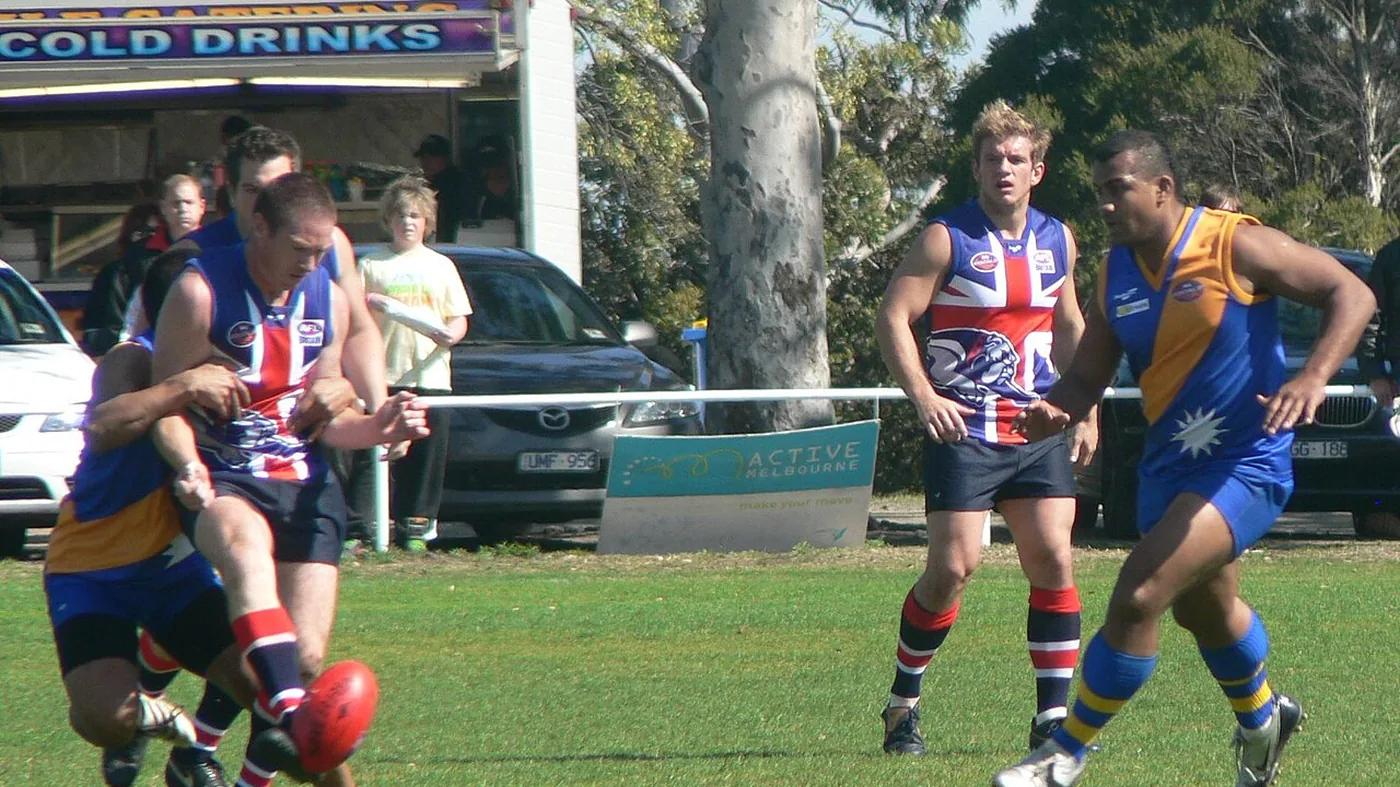
The three major individual awards honour different things and use different methods, which explains some of the players and performances which get most votes for each.
The Brownlow Medal, awarded since 1924, is the AFL's most prestigious individual award, recognising the "fairest and best" player in the home-and-away season.
The Coleman Medal, awarded since, is the individual award for the leading goalkicker of the home-and-away season.
The Norm Smith Medal, awarded since 1979, is presented to the best player on the ground in the AFL Grand Final..
The Brownlow Medal is decided by the umpires on the field during the home-and-away season.
They make their own individual 3–2–1 selections for the best three players in any particular categorisation and a single set-rules is agreed after each match.
On Brownlow night, these votes are all read out and tallied to determine the winner. The umpires must only vote based on the players' performances in the home-and-away season, and do not take into account performances in the finals.
Suspension or unusual circumstances disqualify a player even if they have sufficient votes, based on awards rules.
Since the first Brownlow Medal was awarded in 1924, the award has undergone several major changes. The original voting system, in place from 1924 to 1930, saw each umpire cast a single vote for the best player on the field. This was changed in 1930 to a 3–2–1 system, where the umpires allocated three votes to the best player, two votes to the second-best, and one vote to the third-best. In 1976–77, the system was changed again, with each of the two field umpires casting separate 3–2–1 votes before the system changed again in 1978, with the umpires now conferring to produce one combined 3–2–1 ballot per match, which remains the format today.
The AFL has consistently defended the current voting system, with senior leaders stating they have no plans to change the umpires awarding the fairest and best player. Despite this, there has been ongoing debate and scrutiny surrounding the voting process and the players who receive the most votes.
In 2025, AFL leadership publicly defended the current system, stating that the AFL had no plans to make any changes to the process. This defense came in the wake of public scrutiny, some say as a result of a controversial Brownlow count, which was seen as a controversial choice by some fans and media outlets
In recent years, there have been calls for greater transparency and accountability in the voting process, with critics arguing that the system is too subjective and prone to bias. In response to these critics, the AFL has pointed to the expertise and impartiality of the umpires, who are tasked with making these crucial decisions. AFL executive communications have emphasised that umpires are expected to make 3–2–1 decisions based on their own perception of players in action, rather than relying on statistics or other external factors, although coverage notes this has varied per season.
In a move to address some of the concerns and to reduce mismatches, the AFL decided, ahead of the 2026 season, to give the umpires access to a set of performance statistics to help inform their 3-2-1 votes. The process has changed so that umpires still discuss first who they perceived as best on the ground, then consult the numbers, with the change intended to reduce controversial apparent mismatches between votes and popular or media views, while maintaining the primacy of on‑field perception.
The Coleman Medal is awarded to the player who kicks the most goals in the AFL home‑and‑away season. Unlike the Brownlow and Norm Smith medals, the Coleman Medal is a purely statistical award determined by official goal counts.
The medal is named after legendary full‑forward John Coleman, who played for Essendon in the 1940s and 1950s and was known for his prolific goal-scoring ability. The award was first presented in.
The Norm Smith Medal is awarded to the player judged best on ground in the AFL Grand Final. The winner is decided by a five‑member panel, typically including former players, journalists, and media personalities, who each independently allocate 3–2–1 votes to their top three players. The combined votes decide the winner, with a countback system in place to determine the result in the event of a tie.
The countback system prioritises the player with the most three‑vote selections, followed by the most two‑vote selections, and then the vote of the chairperson of the panel, who only has a decisive say if the first two levels of countback still leave a tie.
The Norm Smith Medal has been awarded since 1979 and has a rich history of recognising exceptional Grand Final performances.
The Norm Smith is one of the most coveted individual awards in the AFL, as it recognizes a player's outstanding performance in the sport's most prestigious and pressure-filled game. However, the award has also been the subject of controversy and criticism, with some questioning the perceived bias of the panel or the fairness of the voting process.
The composition of the Norm Smith panel has varied over the years, and there is no clear process for how panellists are selected. In recent years, the panel has typically included a mix of former players, journalists, and media personalities, with an emphasis on those who have a strong understanding of the game and its intricacies. However, some have argued that the panel is too subjective or too influenced by media narratives, rather than purely based on on-field performance.
The AFL has defended the current panel and voting system, stating that it provides a fair and balanced reflection of players' performances. However, the debate around the Norm Smith Medal is likely to continue, as fans and experts alike discuss and debate the nuances of the voting process and the players who have been recognized with the award.
AFL
In Australian Rules Football’s (AFL) season, clubs are first ranked by premiership points and then by percentage when the points are equal. A…
AFL
Each AFL game takes place on a ground of a different size. One weekend, North Melbourne may catch themselves having to cover loose ball late in…
AFL
The Australian Football League Women's (AFLW) competition has undergone a significant transformation in recent years, with the 2023–2027…