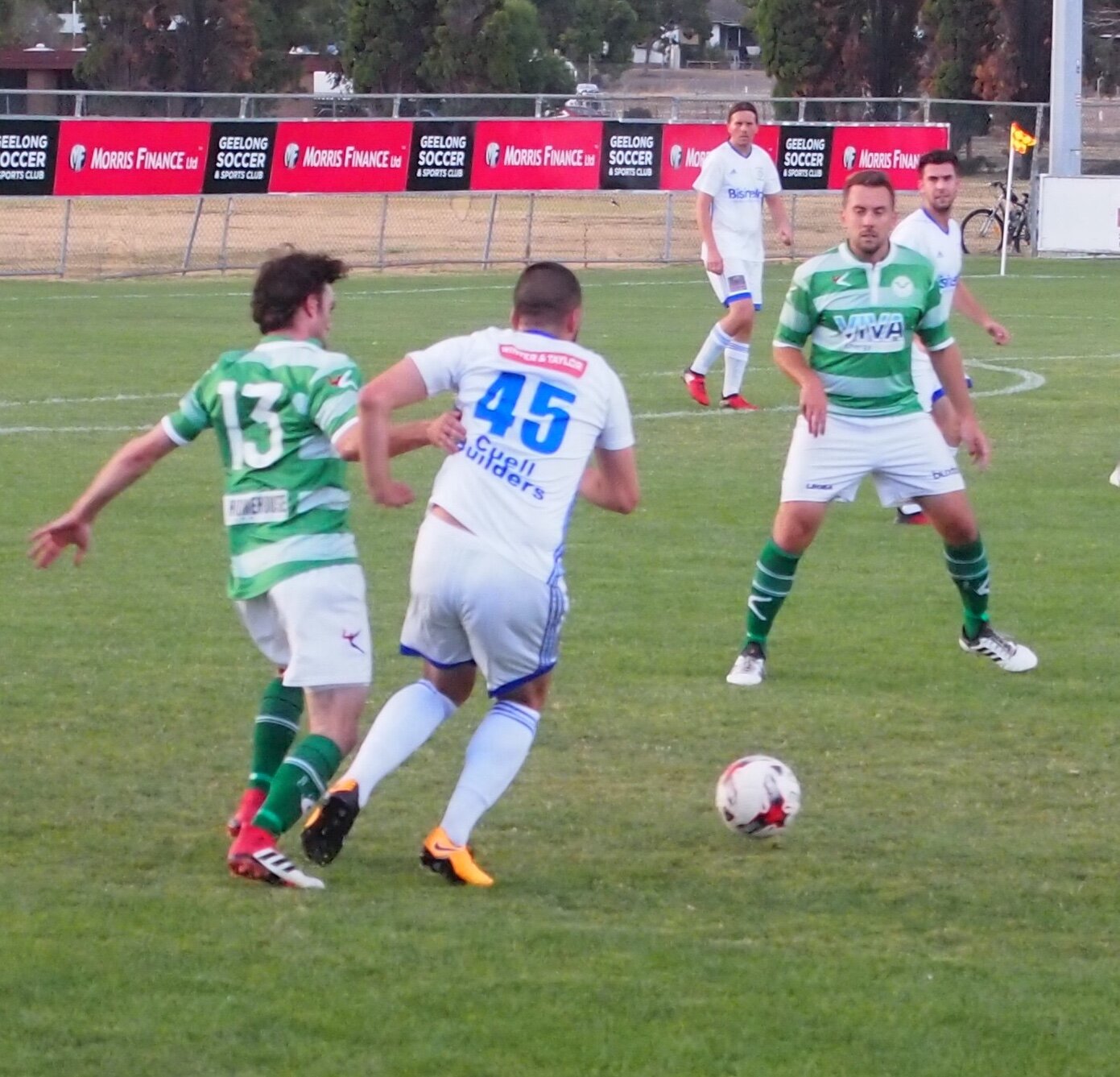
Rangers upset Geelong to top Community Cup ladder
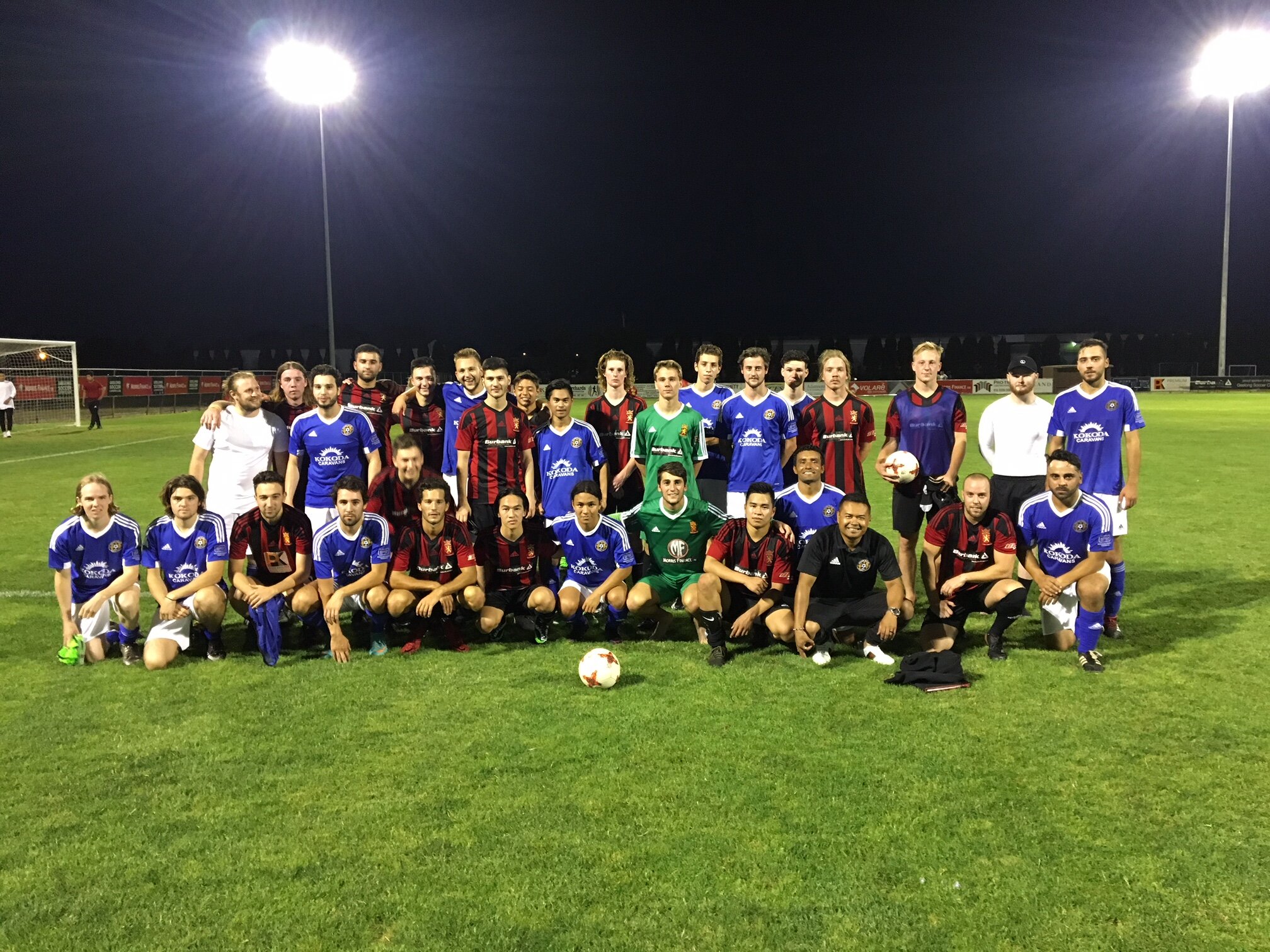
Geelong Rangers topped the ladder in the Community Cup (Click on pictures below to enlarge them) Geelong Rangers and…
Archive material. This page was published on sesasport.com before the current editorial desk took the domain on. We keep it online for readers and researchers; it is not the work of the present desk, and personal contact details of the original authors have been removed.
Kids at play. Photo: Sydney Low / asteriskimages.com < http://asteriskimages.com >
FFA’s new structure: window dressing or worse
Football Federation Australia has just announced the result of its much-touted review of its structure following the failure of the World Cup bid. The aims of the new structure are laudable enough— ‘to deliver continued success of national teams, sustainable growth of the Hyundai A-League and better engagement with football’s grassroots.’ I have no real issues about the first two elements. Continuing and improving the national teams at all levels is vital to the promotion of the game. Focusing much more on making the A-League secure and self-sustaining and raising its standards on the field in a highly competitive market is also essential.
But I query whether the engagement with the great football community in this country will occur under the new scheme. Who will be responsible for ‘the connections to the grassroots participation base’ and reconnecting with ‘the game’s foundations and history’? CEO Ben Buckley says ‘We recognise the need to engage with the people who are the lifeblood of the game and are a vital part of both its heritage and its future.’ Not before time you are probably thinking.
The appointment of Kyle Patterson, trained by the great Laurie Schwab and Les Shorrock at Soccer Action in the 1970s, and with a wealth of subsequent media experience as Head of Corporate Affairs and Communications is to be welcomed. But the press release indicates that ‘ He will have responsibility for an overarching and comprehensive communications strategy engaging all stakeholders within the “football family” and will cover media management, marketing, public relations, government relations, on-line communications and broadcaster operations.’ That does not sound to me like a program to involve the people who support or play the game, more a focus on making sure the FFA message gets across.
There is no mechanism here for the people who are involved in the game at all levels to have an input into the decisions which will shape the game and ensure its continued progress. It is the lack of this input which is at the heart of many of the current problems the game faces including the high cost of children’s participation in the sport. The contrast with the cashed-up Australian Football League is frightening. While the AFL can afford to subsidise children’s participation, the FFA and its clubs often use the juniors as a means of raising funds to support the adult teams.
FFA and its A-League clubs will tell you the fans are the lifeblood of the game, who provide the atmosphere which makes the sport vibrant and sustain the players. But a two-way dialogue with the fans is rare. Clubs conduct surveys, the FFA employs consultants, but there is no one in the new structure with a responsibility for keeping the channels for communication from the grassroots to the FFA as his or her prime focus.
The game in Australia is at a critical point in its long history. It has had some recent stellar successes and some spectacular failures. It faces enormous competition at a time when people are tightening their belts and looking very closely at their discretionary spending. The FFA, as custodian of the game, has established itself as an effective governing body. Its overall structure is better than that which existed before the Crawford Report. But the key weakness in the changes now proposed I would argue is that the desired connection to the football community is only half-formed. It needs a bottom-up, as well as a top-down component if it is to succeed in its worthwhile goal.
← Previous Next →
Geelong Rangers topped the ladder in the Community Cup (Click on pictures below to enlarge them) Geelong Rangers and…
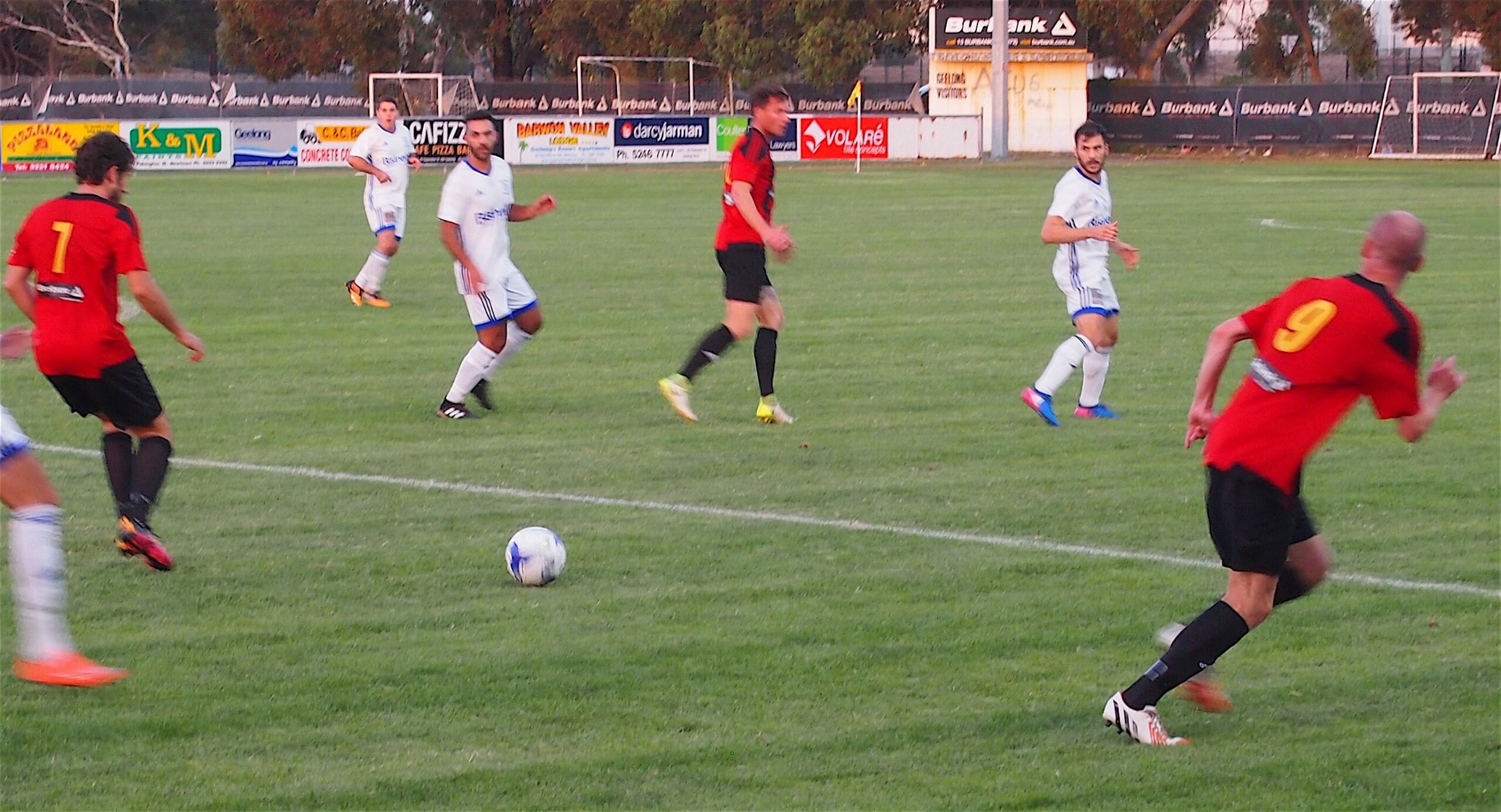
(Click on photos below to enlarge them) After Geelong Rangers fielded some of its promising youngsters but still ran up…
Geelong Community Cup 2025 - Matchday 4 Steven Ginoski Rangers flex their muscle against Bell Park Bell Park 0-4…
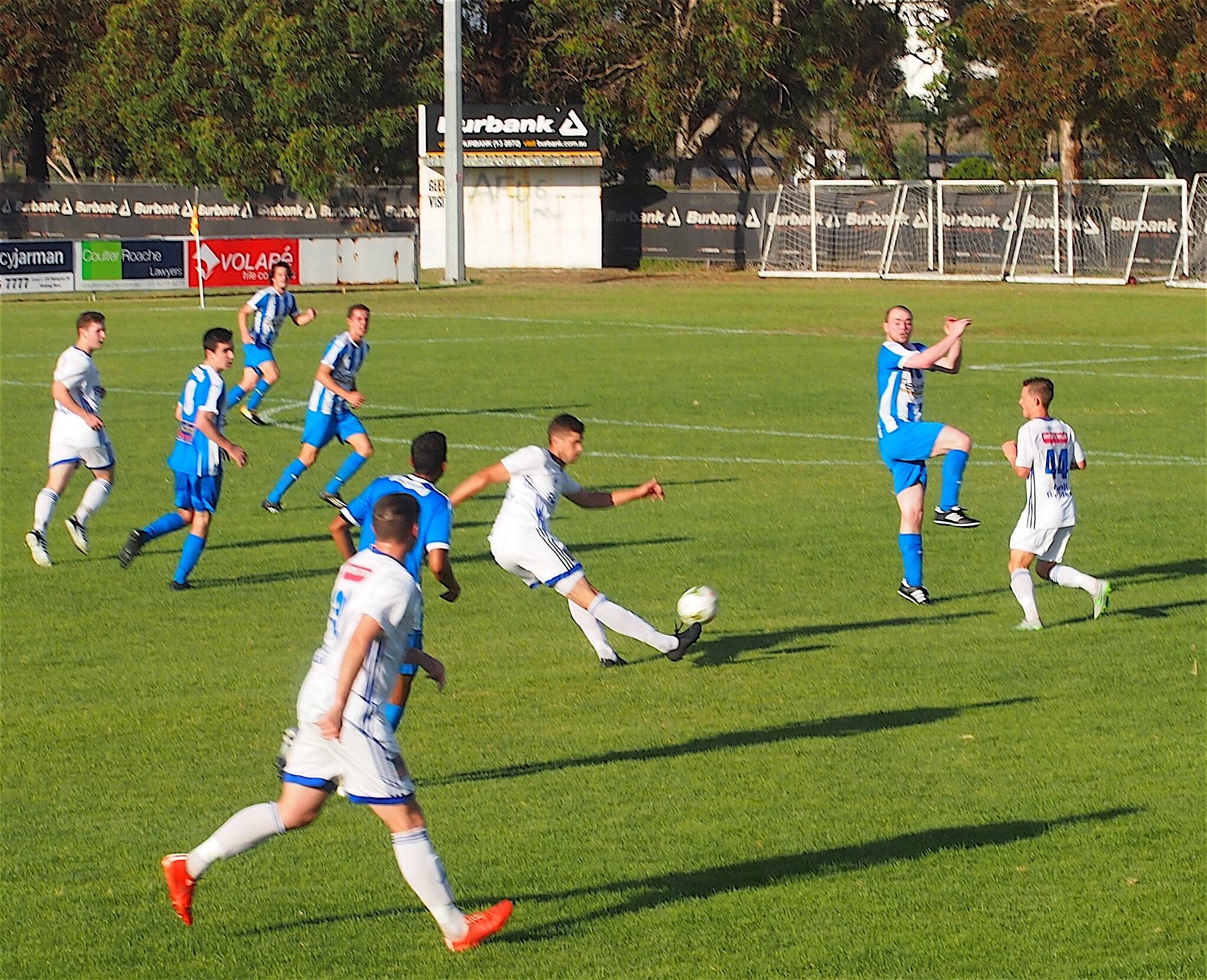
Both games drawn in Wednesday’s Geelong Community Cup (click on photos below to enlarge them) Barwon got its first…