Football
How the A-League Men Actually Works: Cap, Marquees and the Finals Series
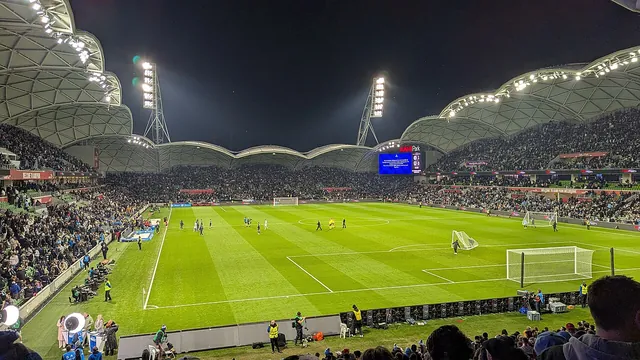
Here is a simple question: How exactly are squads built in A-League Men, and how is the league champion decided? Is it all about a ladder…
Australia’s women’s national football team, the Matildas, are now one of the most accomplished women’s sides in the world, with a stellar record of tournament performances. But the secret to their success lies not in any single tournament performance, but in a series of historic structural decisions that turned the side from a part-time national team into a full-time, internationally-remunerated one.
SESA Sport desk · 29 August 2026 · 413 words
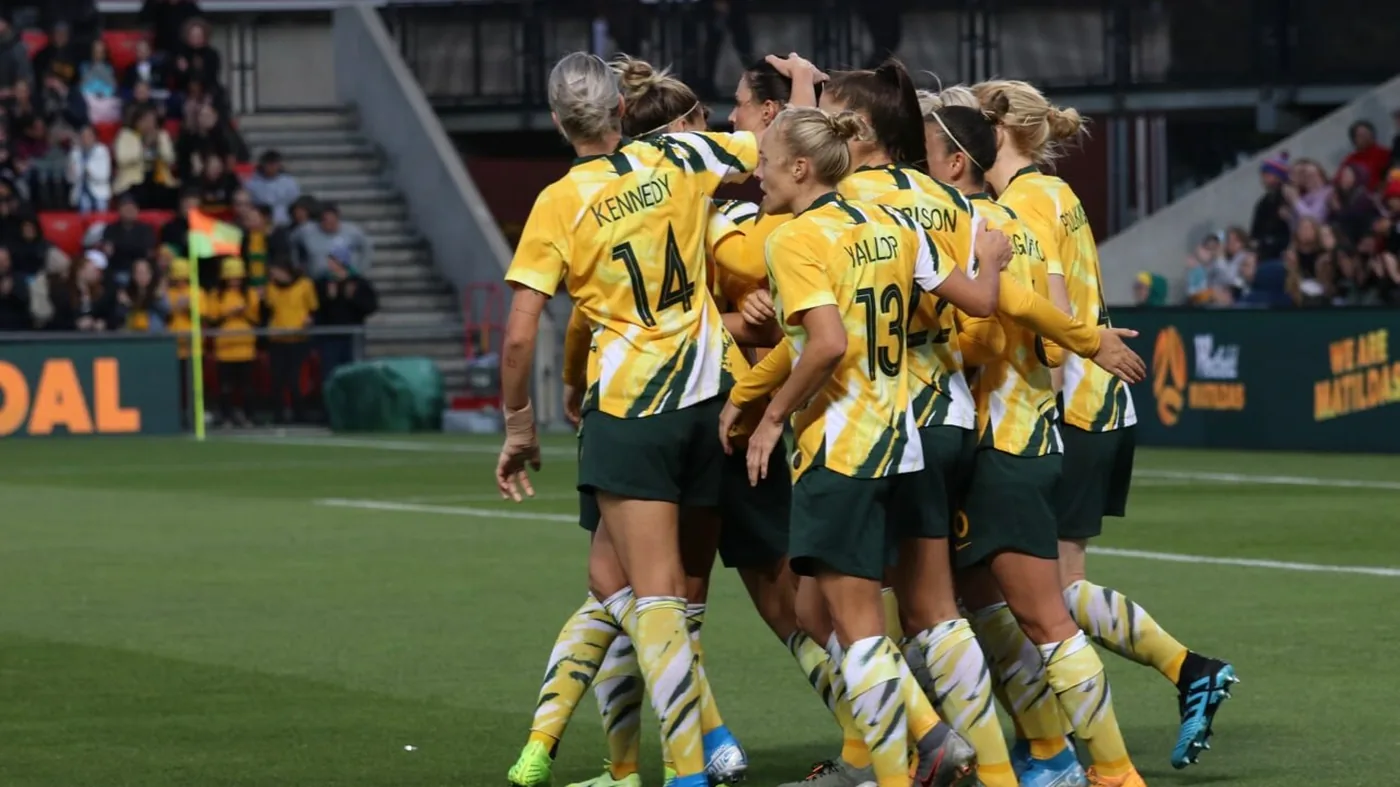
The first major change came in 2019, when the Football Federation Australia and the Professional Footballers Australia signed a new four-year collective bargaining agreement. The deal closed the pay gap between Australia’s women’s and men’s national sides, the Matildas and Socceroos, by agreeing to revenue sharing and equal entitlements. For the 2019–20 financial year, the Socceroos and Matildas would each receive a 24 per cent share of an agreed aggregate of revenue generated by the national teams, rising by 1 per cent each subsequent year of the agreement.
Pay parity was a crucial milestone for the Matildas. The top female players were boosted to an annual retainer of A$100,000, with the same pay scale and identical entitlements as the male players, including business-class air travel and equal match payments.
But the 2019 deal was only the beginning. In September 2020, Football Australia and the PFA announced changes to the CBA, extending the provision of equal revenue to the Matildas through to the 2023 Women’s World Cup. Reporting at the time emphasised how this retained the principle of equal sharing between the genders, an agreement that has stood even as the team’s fortunes have continued to rise.
Under that framework, the Matildas were never truly earning full parity. In November 2023, Football Australia and the PFA signed a new four-year CBA that replaced the central contract model with a match-based payment system similar to that of the Socceroos. Under its terms, each player from the first to the 23rd in the camp squad would receive the same match payment if included on the team sheet, regardless of whether they stepped onto the field. More than that, the reformed payments framework was weighted 70 percent towards match fees and 30 per cent commercial payments, the same split reported for the deal.
And the effect of that agreement has already been felt. At the 2023 Women’s World Cup, Australia’s squad included representatives across a host of international clubs: England, Spain, France, Sweden, Norway, Germany, the United States and Australia. A 2024 squad announcement looked much the same, with a balance of players representing clubs in Australia, the U.S., and England.
The Matildas’ rise hasn’t been about a single tournament, and the structural agreements have been pivotal to building the momentum of the women’s game. The first 2019 parity deal came in the wake of a decade of expansion, a period that saw the women’s side increasingly evolve from an amateur hobby to a quasi-professional, fringe activity.
Football
Here is a simple question: How exactly are squads built in A-League Men, and how is the league champion decided? Is it all about a ladder…
Football
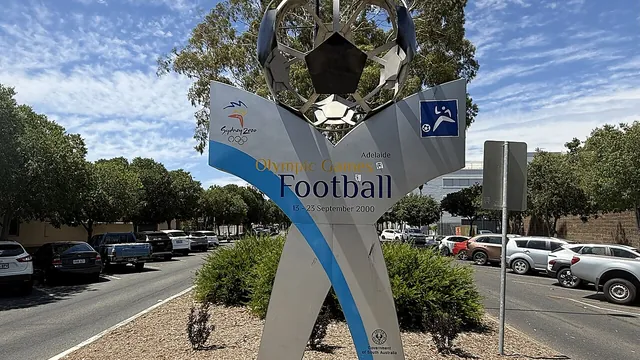
Australia's soccer history was shaped by the 2003–2005 transition from the National Soccer League (NSL) to the A‑League. A key factor of this…
Football
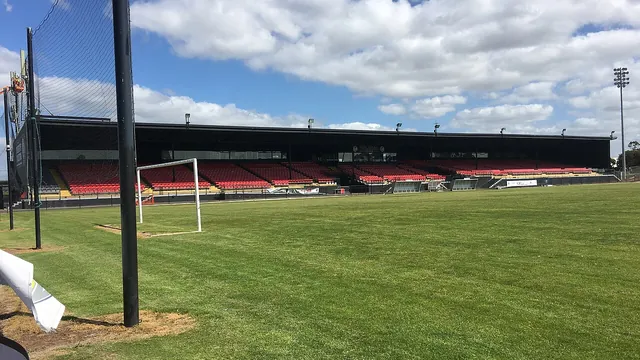
On February 12, 2025, Football Australia launched the Australian Championship, a national second tier to sit between the A-League Men and the…