Football
How the A-League Men Actually Works: Cap, Marquees and the Finals Series
Here is a simple question: How exactly are squads built in A-League Men, and how is the league champion decided? Is it all about a ladder…
The dream of playing professional football in Europe has captivated generations of Australian players and their families. But post-Brexit, the pathway is shaped less by scouting myths and more by hard rules on UK work permits, FIFA training compensation, and the specific European leagues that now buy A-League and Australian-developed players.
SESA Sport desk · 5 August 2026 · 837 words
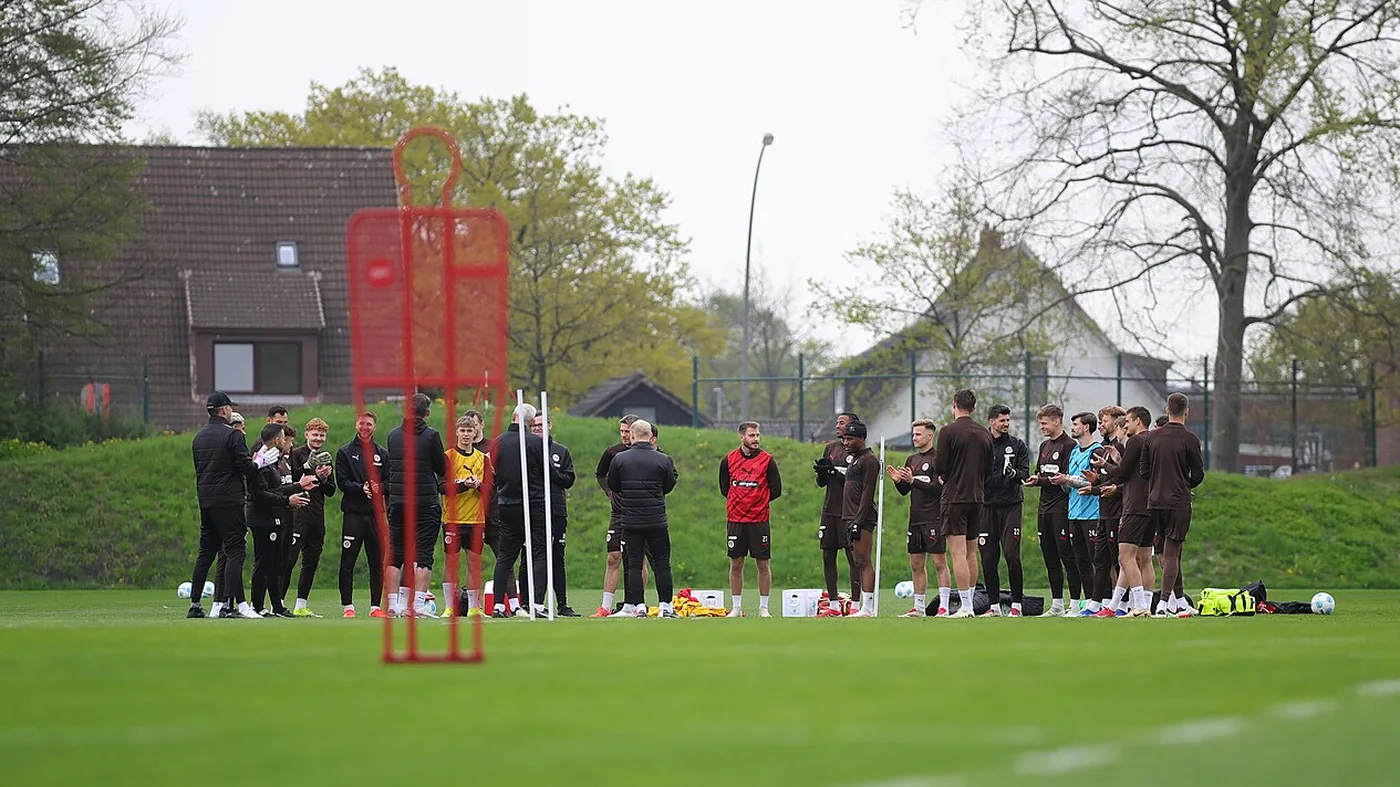
While Brexit may have closed England as an option for most Australians, the rest of Europe remains an attractive destination - with the right paperwork.
Before Brexit, Australians with Croatian, Italian, Greek or Portuguese parentage could rely on EU passports to secure automatic work permits in England's Premier League. But since Britain's exit from the EU, these EU-linked rights no longer apply.
Now, post-Brexit, UK regulations treat Australian players in the same way as the rest of the world, removing that previous advantage. As Australian sports lawyer Athas Ivanov put it in 2021: "For male players who are not national-team regulars, the UK will no longer be an option… unless they hold a British passport or can access a heritage visa."
Players like Jackson Irvine, who already hold a British passport, are not affected. But the vast majority of aspiring Australians now find the UK route much harder.
The UK's Governing Body Endorsement (GBE) system now determines whether Australian players qualify. A GBE can be earned in two ways:
And here's where Australia's domestic league comes in: it's classified as "band 5", the fifth of five tiers, earning players just 4 of the 15 points required for a GBE. A worked example in a detailed 2025 analysis shows an A-League player at a top club reaching only 5 of the required 15 points. Without a heritage visa or a spot in the national team, the UK needs to become an Elite Significant Contribution case, which is only available in limited numbers in the English Championship.
The upshot is that regular minutes in the A-League are rarely enough to meet GBE requirements in the English leagues. For most, unless they're senior national team players within minutes of a GBE autopass, the UK option has been blocked or redirected.
The European Union's official guidance confirms that EU nationals generally do not need a work permit to work anywhere in the EU, while non-EU nationals like Australians must follow each Member State's national work-permit requirements.
This means Australians still face visa/work-permit requirements in EU states – but they are national rules, not subject to the UK's GBE system. Which specific countries now offer friendlier visa situations is an area the writer needs to source and explain, based on current access grants, visa policies, and permit rules in individual Member States. Concrete facts needed.
As Australian players explore European moves, their families must now engage with the complex world of "training compensation" – the mandated payments owed to training clubs on every transfer of any player up to the end of their 23rd season.
Under FIFA's Regulations on the Status and Transfer of Players, international training compensation is allotted based on the category of the new club, with amounts as defined in FIFA's Regulations and now via the Clearing House. Buckle up, it's an entire world, and Australian families must now engage with the governing bodies.
Football Australia regulates the process in the domestic game, with clubs unable to simply offset amounts owing internationally. The Clearing House, entering into force from 2025, aims to centralise calculation and distribution of these payments.
So, who are the current buyers of Australian-developed talent? Recent examples show major spenders across the globe signing A-League players:
Beyond these marquee signings, the Football Australia transfer report confirms that established Australians often use multiple stepping stones to reach top echelons of world football. Jackson Irvine's 2026 move from St Pauli in Germany to Cerezo Osaka in Japan is just one of the multi-step international routes increasingly available to Australia's expat cohort.
For families exploring a child's professional prospects, the key gateways to European football now lie primarily in a player's passport status, their ability to accrue sufficient GBE points, and navigating complex training compensation laws that impact all players under 23.
UK work permits are now one path among many. The rest of Europe remains accessible, with the key questions revolving around permit availability and specific country regulations. A player's training compensation obligations are mandated by FIFA, with clubs now accruing and enforcing these through the Clearing House. Parents and players alike can't afford to misstep.
As European football continues to rise as a global destination for Australian talent, the eligibility matrices, qualification requirements and payments prescribed by global regulations will be just as decisive as performance on the pitch.
Football
Here is a simple question: How exactly are squads built in A-League Men, and how is the league champion decided? Is it all about a ladder…

Football
Australia’s women’s national football team, the Matildas, are now one of the most accomplished women’s sides in the world, with a stellar record…

Football
Australia's soccer history was shaped by the 2003–2005 transition from the National Soccer League (NSL) to the A‑League. A key factor of this…