More Sports
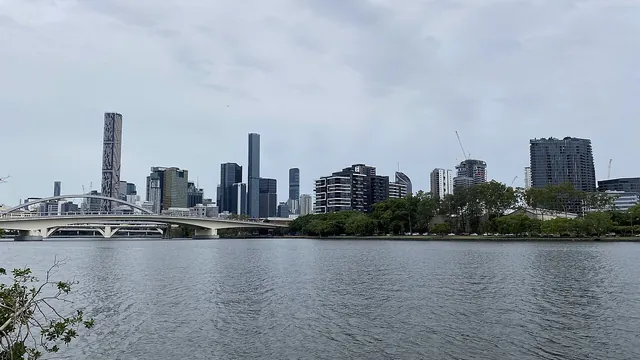
Brisbane 2032: How an Australian Olympic Program Is Built
The Queensland Government has committed A$4.7 billion to implement the 2032 Delivery Plan for the Brisbane 2032 Olympic and Paralympic Games…
At the Australian Olympic nomination trials, athletes are eliminated if they merely place top two - they must simultaneously outswim their rivals while hitting world-class qualifying times or no chance.
SESA Sport desk · 10 June 2026 · 758 words
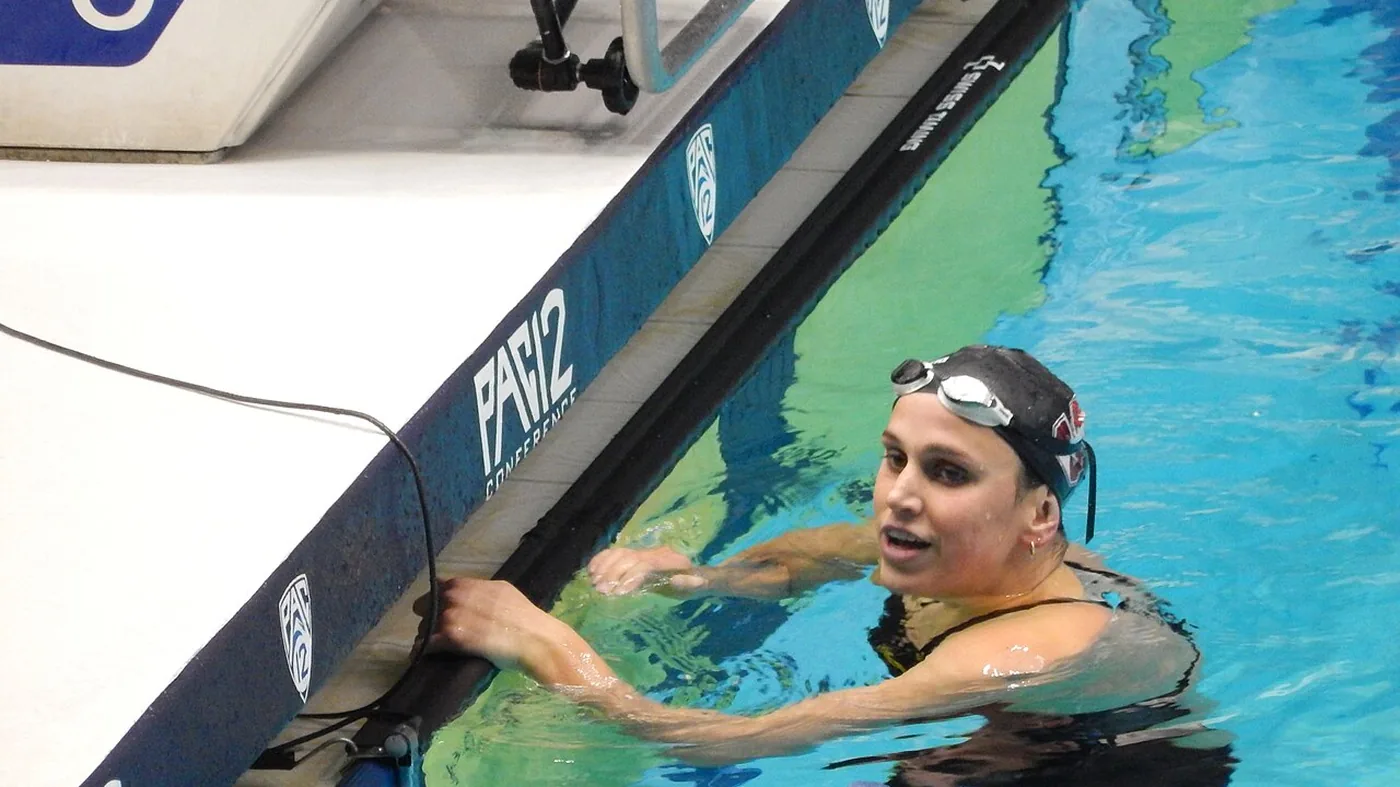
That all‑or‑nothing pressure, part of a system linking the country's grassroots beginnings to peak‑performing international teams, has helped make swimming Australia's most productive Olympic sport by number of gold medals.
Australia's swimming team generated 15 medals at the Tokyo 2020 Games, including a gold‑medal tally that made swimming a major contributor to Australia's Tokyo medal tally.
Longer term, swimming has produced 78 of Australia's 185 Olympic gold medals in history—more than any other sport.
A separate analysis finds that Australian swimmers have won 76 golds, 79 silvers and 77 bronzes in Olympic competition, totaling 232 medals. The disparity reflects small variations between sources but confirms the sheer scale of swimming success in Australia.
Swimming Australia's Swimmer Framework aligns the national development pathway with the Australian Institute of Sport's Foundations, Talent, Elite, and Mastery stages. The AIS focuses on driving high‑performance, forming an elite environment for dedicated swimmers.
The High Performance pathway explicitly aims for "a seamless transition into Senior National Teams," according to Swimming Australia. Recommended events for developing athletes include State Championships and Australian Open Championships.
Performance at these domestic meets, and at international events like World Championships, not only earns selection to those competitions but also impacts swimmers' categorisation and the support they receive.
The Australian Institute of Sport leads the country's high‑performance sports system with the objective of driving "podium success" by supporting athletes with medallic potential. Swimming Australia, meanwhile, functions as the sport's governing body, running the High Performance Pathway and the technical aspects of trials and selection.
The Australian Olympic Committee holds the ultimate power to send swimmers to the Games. But to have that opportunity, an athlete must meet World Aquatics' relevant qualification system, satisfy Swimming Australia's own nomination criteria, and commit to the AOC's Olympic Charter and membership requirements. That final federation step, for a swimming athlete, means hitting the exacting times.
For the 2024 Olympic Games, Swimming Australia is allowed to name up to 52 swimmers (26 men, 26 women) to AOC. Of those, a maximum of 12 athletes can be any given relay.
At the critical Nomination Event, formally known as the Olympic trials:
These qualifying times are often even faster than World Aquatics' own Olympic A qualifying standards for that event. Where Swimmer Australia's times fall below the International body's cutoffs, as is true for a handful of events such as the men's 400 meter individual medley and women's 200 meter breaststroke, use the stricter standard—i.e. whoever's faster. It's an intentional national aim.
Rohan Taylor, Swimming Australia's head coach, endorsed a selection formula that bases the qualifying times on hitting the eighth‑fastest time (or better) at the 2023 World Championships in most cases. The country's qualification times are deliberately demanding.
After all, an all‑or‑nothing formula requires an all‑or‑nothing performance.
The path to swimming's podium is seeded through the country's club and school competition. But it is cautious—Australia aims for breadth and depth in its development pathway.
Channeling talent into the national team means facing off domestically, but it is international performances that argue for a swimmer's support going forward.
Success at the World Championships and the World Junior Championships, for example, top the performance criteria described by Swimming Australia. They argue for an athlete to be categorised as pursuing high performance in that year, which drives allocation of further resources to training and support.
Swimming Australia's formal eligibility criteria describe a system entirely agreed. Hits the qualifying time? Yes. Does not hit the qualifying time? Then yes, you miss the team, even if you beat the field at the trials.
Better hit that time.
More Sports
The Queensland Government has committed A$4.7 billion to implement the 2032 Delivery Plan for the Brisbane 2032 Olympic and Paralympic Games…

More Sports
The 128-player singles draw at the Australian Open is an intricate puzzle, with 104 spots awarded to players ranked high enough to qualify six…

More Sports
The 2023 Supercars Championship marked a major change with the introduction of Gen3 regulations, a sweeping set of technical updates aimed at…