More Sports
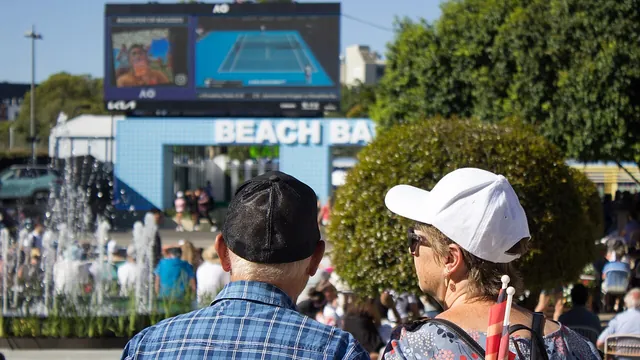
The Australian Open Draw: Seeding, Wildcards and How the Bracket Is Made
The 128-player singles draw at the Australian Open is an intricate puzzle, with 104 spots awarded to players ranked high enough to qualify six…
The Queensland Government has committed A$4.7 billion to implement the 2032 Delivery Plan for the Brisbane 2032 Olympic and Paralympic Games, including venue, governance and athlete village funding. Meanwhile, the Australian Government is pouring money into Olympic and Paralympic preparations, with its record funding of A$513 million over two years.
SESA Sport desk · 18 June 2026 · 738 words
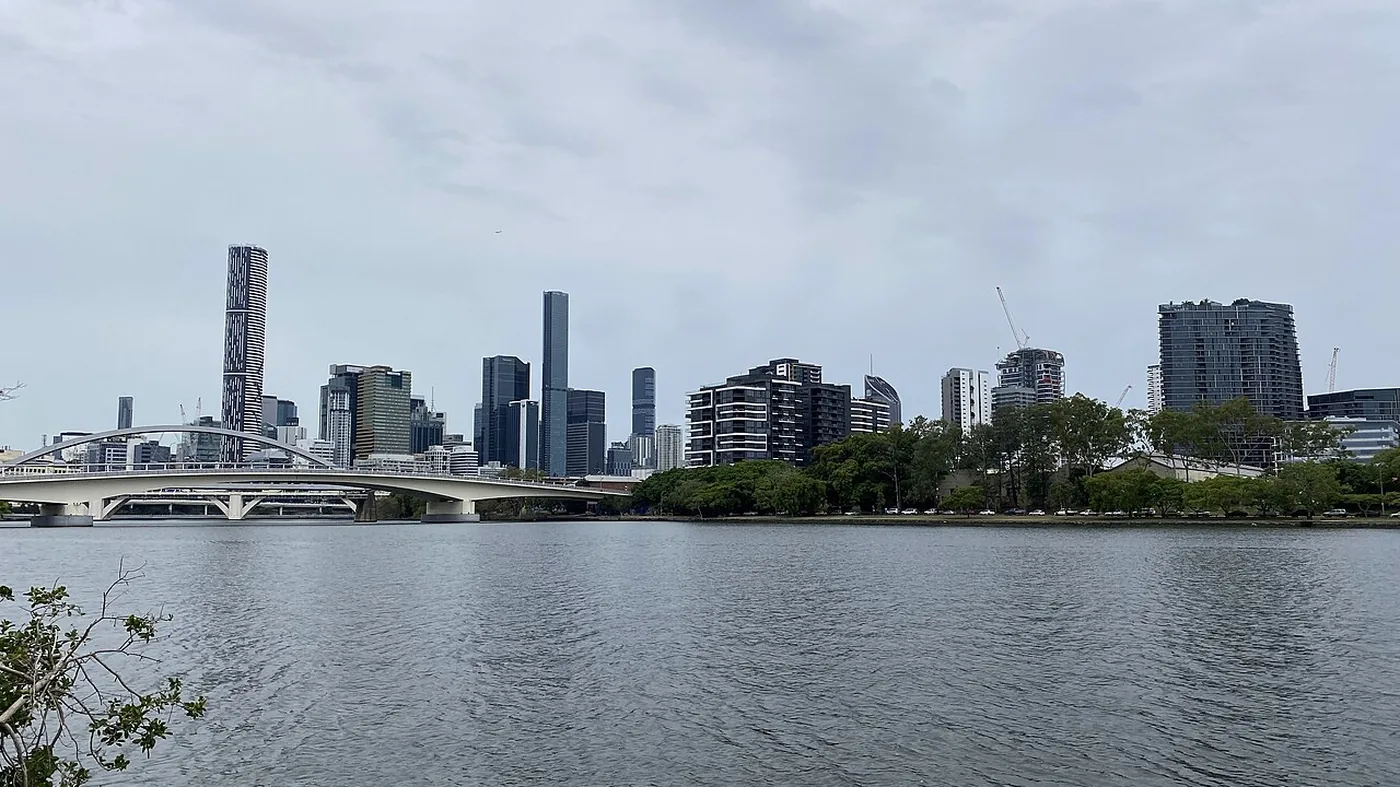
As the wheels turn on Brisbane 2032, the money machine of Australian elite sport is revving up.
The Queensland Government has committed A$4.7 billion to implement the 2032 Delivery Plan since 2025, including funding for Olympic and Paralympic venues. This budget includes A$3.8 billion specifically for the total venues program over the forward estimates, within a A$7.1 billion overall funding envelope for Olympic and Paralympic venues to 2031‑32.
This brings the total federal investment to over A$3.4 billion, including a crucial A$935 million Minor Venues Program to upgrade or build 15 competition sites.
Queensland is footing the bill for venues the federal IGA has not committed to, including the A$2.7 billion Gabba redevelopment, temporary athletics track at Raymond Park, and funding for Brisbane 2032 athlete villages—none of which is under Commonwealth responsibility.
The Australian Government’s investment under the Intergovernmental Agreement (IGA) for Brisbane 2032 now nears A$3.5 billion for Games venue infrastructure, including up to A$2.5 billion for the main Brisbane Live Arena and up to A$935 million for the Minor Venues Program, which had already secured 50/50 federal‑state funding for 15 competition sites.
But with the 2025‑26 Federal Budget adding more than A$3.4 billion to Games infrastructure, including a A$1.2 billion contribution to a new main stadium at Brisbane’s Victoria Park, the Commonwealth is now clearly the bigger federal spender on winning back its home Olympics.
The Commonwealth's Olympic money is being spent under three main labels:
The earliest scheduled works are identified in the government's 2026 response to the Senate’s Rural and Regional Affairs and Transport committee, including the A$2.7 billion redevelopment of the Gabba cricket ground.
The 2032 Delivery Plan also shapes Queensland’s delivery bodies, with the 2025‑26 Budget increasing funding by A$308.5 million over four years for the Games Independent Infrastructure and Coordination Authority. This authority will progressively procure a delivery partner to drive forward new and upgraded Olympic venues on behalf of the state government.
As of 23 June 2026, planning for athletes’ villages at the Sunshine Coast, Gold Coast, Brisbane and Rockhampton was described as “accelerating”, with A$348 million earmarked in the 2026‑27 Queensland Budget for comprehensive design work on these villages.
The 2025‑26 Queensland Budget approved the following venue projects, with A$847 million committed to proceed:
The extreme funding spike for high‑performance sport is another major factor, with A$283 million over two years first announced in June 2024, a 50% increase, taking total high‑performance investment to $489 million over two years. This included a major A$54.9 million boost for Paralympic athletes and sports, and A$17.6 million in direct investment grants to help cover cost‑of‑living pressures for athletes.
In June 2026, the federal government added a further A$513 million complementing the 2025‑26 Budget, funding 68 high‑performance sport programs over the next two years, over A$42.8 million in direct athlete support via the dAIS program, and a record increase for Winter Olympians and Paralympians, with Curling Australia, Biathlon Australia and Ice Racing Australia receiving high‑performance funding for the first time.
Within this federal investment are:
High‑performance funding is a complex blend of capital and impact spending:
More Sports
The 128-player singles draw at the Australian Open is an intricate puzzle, with 104 spots awarded to players ranked high enough to qualify six…
More Sports
At the Australian Olympic nomination trials, athletes are eliminated if they merely place top two - they must simultaneously outswim their…
More Sports
The 2023 Supercars Championship marked a major change with the introduction of Gen3 regulations, a sweeping set of technical updates aimed at…